Energy Savers That Have Made a Real Difference Worldwide
Before exploring impactful technologies and solutions, it’s worth mentioning that discussions around energy efficiency often intersect with lifestyle choices and leisure habits. Some people reference platforms like Casino Cruise when talking about energy-efficient entertainment environments, where optimized systems reduce power use while maintaining comfort. Much like modern energy savers, the goal is achieving more with less—without compromising safety or experience.
Why Energy Savers Matter Beyond Cost Reduction
When people ask what are some energy savers that have helped a lot and saved lives, they are usually thinking beyond lower electricity bills. Energy-saving technologies have played a crucial role in improving public health, reducing environmental risks, and preventing life-threatening situations.
Energy savers contribute to:
- Reduced air pollution
- Lower risk of electrical fires
- Improved indoor air quality
- Greater resilience during energy shortages
In many cases, these benefits have directly or indirectly saved lives, particularly in vulnerable communities.
Energy-Efficient Lighting That Improved Safety
Lighting is one of the simplest yet most powerful areas where energy savings have made a life-saving impact.
LED Lighting in Public and Private Spaces
The global shift from incandescent bulbs to LED lighting has dramatically reduced energy consumption. LEDs use significantly less power and produce less heat, which lowers fire risks.
Life-saving benefits include:
- Improved street visibility reducing accidents
- Better lighting in hospitals and emergency facilities
- Reduced overheating in enclosed spaces
In developing regions, solar-powered LED lighting has replaced dangerous kerosene lamps, preventing fires and respiratory illnesses.
Emergency and Backup Lighting Systems
Energy-efficient emergency lighting ensures that critical spaces remain illuminated during power outages. Hospitals, schools, and residential buildings rely on these systems for safe evacuation and continuous care.
Insulation and Building Envelope Improvements
Proper insulation is one of the most effective energy savers with long-term safety benefits.
Thermal Insulation in Homes and Hospitals
Insulation reduces heat loss in winter and heat gain in summer, lowering reliance on heating and cooling systems. This stability is especially important for elderly individuals, infants, and patients with health conditions.
Benefits include:
- Reduced risk of hypothermia or heat stress
- Lower indoor temperature fluctuations
- Improved overall comfort and health
Fire-Resistant Insulation Materials
Modern insulation materials are designed to be fire-resistant, slowing the spread of flames and giving occupants more time to evacuate. This has saved countless lives in residential and commercial fires.
Energy-Efficient Heating and Cooling Systems
Heating and cooling systems are among the largest energy consumers in buildings, but improvements here have had major safety implications.
High-Efficiency HVAC Systems
Modern HVAC systems use less energy while providing better air circulation and filtration. This reduces the buildup of pollutants, allergens, and harmful gases.
Health-related impacts include:
- Improved respiratory health
- Reduced mold growth
- Better air quality in hospitals and care facilities
Heat Pumps and Climate Resilience
Energy-efficient heat pumps provide both heating and cooling, making buildings more resilient during extreme weather. During heatwaves or cold snaps, reliable climate control can be life-saving.
Clean Cooking Solutions and Energy Savers
One of the most critical answers to what are some energy savers that have helped a lot and saved lives lies in clean cooking technologies.
Improved Cookstoves
Traditional cooking methods using open fires or inefficient stoves expose households to toxic smoke. Energy-efficient cookstoves reduce fuel use and emissions.
Life-saving impacts include:
- Reduced indoor air pollution
- Lower rates of respiratory illness
- Decreased burn and fire incidents
Millions of lives have been improved—and saved—through access to safer cooking technologies.
Electric and Induction Cooking
Induction cooktops are far more energy-efficient than gas or traditional electric stoves. They reduce the risk of gas leaks and burns while improving cooking efficiency.
Energy Savers in Healthcare Facilities
Healthcare environments depend heavily on reliable and efficient energy systems.
Energy-Efficient Medical Equipment
Modern medical devices are designed to consume less power while maintaining precision and reliability. This ensures continuity of care during energy constraints.
Examples include:
- Low-energy ventilators
- Efficient imaging equipment
- Smart monitoring systems
Backup Power and Energy Storage
Energy storage systems, such as battery backups combined with renewable energy, ensure hospitals can operate during blackouts. These systems are critical during natural disasters.
Smart Energy Systems and Automation
Smart technology has transformed how energy is used and managed.
Smart Meters and Monitoring
Smart meters allow real-time tracking of energy use, helping identify inefficiencies and prevent overloads that could lead to fires or outages.
Safety advantages include:
- Early detection of abnormal consumption
- Reduced electrical system failures
- Improved grid stability
Automated Energy Management Systems
In large buildings, automation ensures that systems operate only when needed. This reduces stress on infrastructure and lowers the risk of malfunction.
Renewable Energy as a Life-Saving Energy Saver
Renewable energy sources are among the most impactful energy savers globally.
Solar Power in Remote Areas
Solar energy has provided electricity to remote clinics, schools, and homes where grid access is limited or unreliable. This access supports medical care, communication, and safe lighting.
Life-saving outcomes include:
- Reliable power for vaccines and medical equipment
- Safer childbirth environments
- Emergency communication capabilities
Wind and Hybrid Systems
In regions with unstable grids, wind and hybrid renewable systems improve energy reliability, reducing outages that can disrupt essential services.
Water Heating and Energy Efficiency
Water heating accounts for a significant portion of household energy use.
Energy-Efficient Water Heaters
Tankless and high-efficiency water heaters reduce energy consumption and improve safety by eliminating overheating risks.
Benefits include:
- Lower carbon emissions
- Reduced scalding risks
- Reliable hot water supply
Solar Water Heating
Solar water heaters reduce dependence on fossil fuels and provide hot water even during power outages, supporting hygiene and health.
Transportation-Related Energy Savers
Energy efficiency extends beyond buildings into transportation.
Energy-Efficient Public Transport
Electric and hybrid public transport systems reduce air pollution, improving respiratory health in urban areas.
Health benefits include:
- Fewer pollution-related illnesses
- Reduced traffic accidents through modern systems
- Improved emergency response times
Efficient Emergency Vehicles
Energy-efficient emergency vehicles ensure faster, more reliable response while reducing operational costs and emissions.
Energy Savers in Disaster Preparedness
Energy efficiency plays a key role in disaster resilience.
Resilient Infrastructure
Energy-efficient buildings with backup systems withstand disasters better, protecting occupants during emergencies.
Decentralized Energy Systems
Microgrids and local energy generation ensure communities remain powered when central systems fail, supporting shelters and medical centers.
Why Energy Savers Continue to Save Lives Today
The impact of energy savers extends far beyond conservation. By improving safety, reliability, and health outcomes, they answer the question what are some energy savers that have helped a lot and saved lives in very real, measurable ways.
Energy-efficient technologies reduce risks associated with pollution, extreme temperatures, electrical failures, and unsafe living conditions. As climate challenges grow, these solutions become even more critical.
The Future of Life-Saving Energy Efficiency
Advancements in materials, smart systems, and renewable energy continue to expand the life-saving potential of energy savers. As adoption increases, more communities benefit from safer, cleaner, and more reliable energy.
Energy efficiency is no longer just an environmental choice—it is a public health strategy. By reducing harm, preventing disasters, and improving living conditions, energy savers stand as one of the most powerful tools for protecting lives while building a sustainable future.
The post Energy Savers That Have Made a Real Difference Worldwide appeared first on Green Building Solutions.


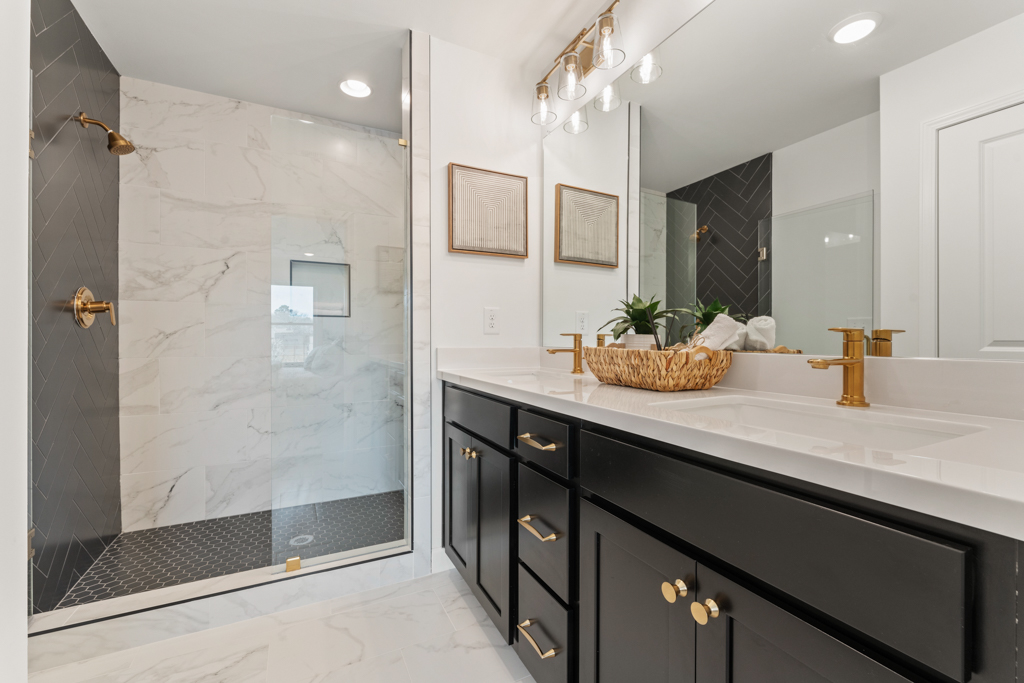
 Traton Homes is excited to announce the opening of a decorated model at Wilkins Walk in Mableton. Priced from the high $300,000s, this community of 76 townhomes boasts three floorplans, each with three to four bedrooms, up to three-and-a-half bathrooms and a two-car garage. Prospective buyers can now tour the decorated Kaufman model for a first-hand look at life at this Cobb County community.