Blog

  • The Economic Benefits of Green Building in Colorado: Case Studies and Statistics

    Green building practices have been gaining popularity in Colorado for their environmental benefits, but they also offer significant economic benefits. 

    Green building practices in Colorado are cost-effective for several reasons:

    1. Energy savings: Green buildings are designed to be energy-efficient, which means they use less energy for heating, cooling, and lighting. This results in lower energy bills for building owners and tenants, leading to significant cost savings over time.
    2. Water savings: Green buildings are also designed to conserve water, which is particularly important in Colorado where water is a scarce resource. By using water-efficient fixtures and landscaping practices, green buildings can reduce water consumption and lower water bills.
    3. Improved indoor air quality: Green buildings are designed to promote better indoor air quality, which can lead to improved health and productivity for occupants. This can result in lower healthcare costs and increased productivity, which are both economic benefits.
    4. Increased property values: Green buildings often have higher property values than traditional buildings, as they are considered to be more desirable and sustainable. This can result in higher rental or resale prices, leading to increased revenue for building owners.
    5. Government incentives! In Colorado, green building projects can benefit from several government incentives, including those provided by the Inflation Reduction Act. These incentives include the 179D tax deduction for energy-efficient commercial buildings, the 45L tax credit for energy-efficient single-family or multifamily properties, and the 25C tax credit for energy-efficient home improvements. These incentives can help offset the upfront costs of green building practices, making them more cost-effective in the long run. Additionally, they can provide significant tax savings for building owners and developers, further increasing the economic benefits of green building in Colorado. 

    Green building practices in Colorado offer a range of economic benefits, including cost savings from energy and water efficiency, increased property values, improved indoor air quality, and government incentives. These benefits make green building a smart and cost-effective choice for builders, developers, and building owners in Colorado.

    Not to mention that green buildings benefit the environment in several ways. They are designed to be energy-efficient, which reduces greenhouse gas emissions and helps combat climate change. 

    They also conserve water and promote sustainable landscaping practices, which help preserve water resources and protect natural habitats. Green buildings are often constructed with environmentally friendly materials and promote recycling and waste reduction, which reduces the amount of waste sent to landfills. Overall, green buildings help reduce the negative impact of human activity on the environment, making them a critical component of sustainable development.

    Let’s explore a few case studies in Denver and Fort Collins that demonstrate the economic benefits of green building in Colorado.

    Green Building in Colorado Case Study 1: Denver Housing Authority’s Mariposa Redevelopment Project

    Green Building in Colorado: Denver Housing Authority's Mariposa Redevelopment Project
    Mariposa Redevelopment Project, Denver, CO

    The Mariposa Redevelopment Project is a master-planned development that includes transit-oriented mixed-income housing, senior housing, retail spaces, and outdoor areas such as playgrounds and gardens. Key drivers of the project were planetary health, ecosystem health, and sustainability.

    In terms of planetary health, Mariposa incorporates integrated district-level energy strategies that aim to conserve resources and generate renewable energy on-site. The buildings are designed with high-performance envelopes and adhere to ENERGY STAR building standards. 

    Additionally, high-efficiency heating and cooling systems reduce energy consumption by 40%, benefiting residents and the Denver Housing Authority.

    To further promote sustainability, the Mariposa project’s two-megawatt photovoltaic solar panel system may offset up to 80% of the projected energy needs, significantly reducing reliance on non-renewable energy sources.

    Regarding ecosystem health, the project prioritizes accessibility to public transportation and aims to improve pedestrian and cycling infrastructure. The goals are to reduce reliance on personal vehicles and encourage active modes of transportation.

    Mariposa is a sustainable development that prioritizes planetary and ecosystem health. By implementing energy-efficient technologies and promoting alternative modes of transportation, it aims to create a green and environmentally friendly community for its residents.

    Case Study 2: Colorado State University’s LEED Platinum Buildings

    Green Building in Colorado: CSU's LEED Platinum buildings
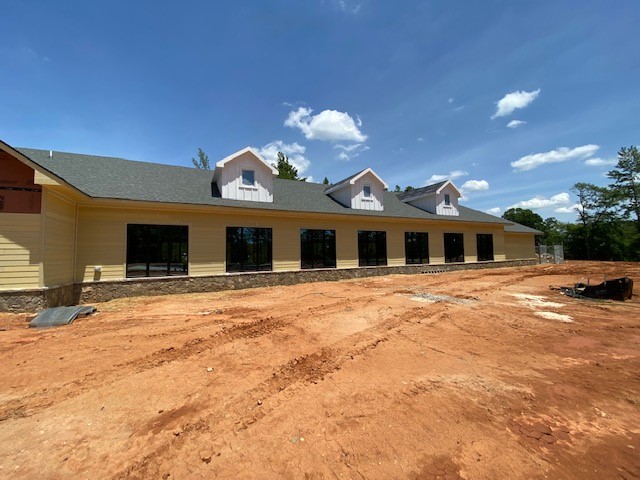
    The Pavilion at Laurel Village, Colorado State University

    Colorado State University (CSU) is committed to sustainable building practices, as evidenced by CSU’s LEED Platinum Buildings. These buildings showcase CSU’s dedication to creating environmentally friendly structures prioritizing energy efficiency, water conservation, and indoor air quality.

    One of CSU’s notable LEED Platinum buildings is the Laurel Village Pavilion. This building has achieved the highest level of LEED certification and is a shining example of sustainable design. 

    Another LEED Gold building at CSU is the Laurel Village Piñon Hall, demonstrating the university’s commitment to environmentally responsible construction.

    Summit Hall has made history at CSU by becoming the first building to achieve LEED certification for existing buildings and operation maintenance. Certification was earned from eco-friendly practices, including the purchase of e-clothes to reduce chemical usage in cleaning, a green purchasing policy, and green cleaning training for staff. 

    Summit is powered by on-site and off-site renewable energy, and aerators reduce water consumption. Sustainable transportation is also encouraged with bicycle parking and alternative transportation options.

    Laurel Village Alpine Hall is another LEED Gold building that showcases CSU’s sustainable building practices. This facility combines modern design with eco-friendly elements to create a space that promotes sustainability.

    And the Durrell Center, another LEED Gold building at CSU, further reinforces the university’s commitment to green building practices. With its energy-efficient systems and sustainable materials, this building embodies CSU’s dedication to reducing its environmental impact.

    These LEED-certified buildings bring numerous benefits to CSU and its community. By implementing green building practices, CSU achieves reduced energy and water usage, improved indoor air quality, and a smaller carbon footprint. Moreover, these sustainable buildings contribute to significant economic advantages, such as lower operating costs and increased property value.

    CSU’s focus on sustainable building practices is evident through its LEED Platinum and Gold Buildings. These structures not only provide functional spaces but also prioritize environmental responsibility and contribute to a more sustainable future.

    Case Study 3: Townhomes on Vine, Fort Collins

    Green Building in Colorado: A picture of Townhomes on Vine in Fort Collins, CO
    Townhomes on Vine, Fort Collins

    We played an instrumental role in the development of the Townhomes on Vine project in Fort Collins, Colorado. The scope of work included LEED for Homes credit verification, testing during construction and QAD review, energy efficiency recommendations, building material assessments, and review of construction documents, specifications, and project submittals.

    Despite the challenges presented by the unfamiliarity of the project team with the program requirements, our staff was able to coach the contractor through the required inspections, and by the end of construction, the LEED requirements were integrated into their procedures. Green Insight also introduced the project team to our Project Insight™ online platform for documenting compliance with all the LEED prerequisites and credits. This made the process of achieving LEED Gold certification more streamlined and efficient.

    The Townhomes on Vine project serves as a testament to the effectiveness of our guidance in integrating green building practices cost-effectively and efficiently into green multi-unit construction projects. Our involvement was crucial in ensuring that the development met the rigorous standards required for LEED certification.

    Our involvement in Townhomes on Vine was instrumental in achieving LEED Gold certification. We also helped streamline the certification process and ensure that the development met the rigorous standards required for LEED certification. 

    The success of the project serves as a shining example of how to successfully build sustainable communities that benefit both the environment and the people who live in them.

    Economic Benefits of Green Building in Colorado

    Green building practices including proper insulation and air-sealing will increase year-round comfort, reduce energy consumption, and keep the Colorado climate at bay, but they contribute so much more. Green building practices in the state offer significant economic benefits in addition to their positive impact on the environment. 

    From the Mariposa Redevelopment Project in Denver to the LEED Platinum buildings at Colorado State University and Townhomes on Vine in Fort Collins, our case studies demonstrate the cost savings associated with green multifamily and green home construction in the state.

    Sustainable building practices are not only good for the environment but also profitable, cost-effective, and good for the economy. And statistics show that green building practices have created jobs in Colorado and throughout the U.S. 

    By prioritizing people’s health and well-being through the use of eco-friendly materials, improved air quality, and energy-efficient systems, green homes and multi-unit green buildings are becoming increasingly popular. 

    With the state of Colorado offering a range of incentives and rebates for green building practices, builders and developers can create sustainable and economically viable buildings that benefit both the environment and the local economy.

    Want to find the perfect solution for your green building project?

    If so, contact us today. We would love to discuss your project and your goals while showing you how Green Insight can help you achieve green building success. Get in touch

    The post The Economic Benefits of Green Building in Colorado: Case Studies and Statistics appeared first on Green Insight.
  • Navigating the Changes in the Section 45L Tax Credit: What You Need to Know

    Changes to Section 45L Tax Credit: On September 27, 2023, the IRS released notice 2023-65, providing crucial details on the revamped energy-efficient home credit under Section 45L. 

    The notice provides long-awaited details on the revamped energy-efficient home credit under section 45L, as amended by the Inflation Reduction Act (IRA) of 2022.

    Let’s explore the key changes in the Section 45L tax credit and the guidance provided by the IRS.

    Shift in Qualification Criteria

    One of the significant shifts in the qualification criteria for the Section 45L tax credit is the transition from the 2006 International Energy Conservation Code (IECC) to current ENERGY STAR standards and the DOE’s Zero Energy Ready Homes Program (ZERH). 

    This change marks a significant shift in the landscape of energy-efficient home credits.

    Applicable Amount of the Credit


    The amount of the tax credit is contingent on the energy-saving requirements that the home meets. 

    It can range from $500 to an impressive $5,000 for each qualified new energy-efficient home.

    The actual amount of the credit depends on eligibility requirements such as the type of home, energy efficiency, and, in the case of multifamily dwelling units, whether prevailing wage requirements are met.

    Effective Date and Certification Requirements

    The amendments to the Section 45L tax credit apply to qualified new energy-efficient homes acquired after December 31, 2022, and encompass homes purchased until December 31, 2032. 

    For homes acquired between 2023 and 2032, the certifications achieved and standards met include ENERGY STAR program requirements, Zero Energy Ready Home program requirements, and prevailing wage requirements for multifamily dwelling units.

    The IRS’s release of guidance on the Section 45L tax credit brings about significant changes in eligibility requirements and certification criteria. The shift towards ENERGY STAR compliance reflects a stronger emphasis on sustainable and energy-efficient homes. 

    As these changes take effect, it is crucial to partner with experts in the field who can guide you through the intricacies of the tax credit and help you maximize its benefits. 

    If you don’t know, we’ve put together a complete guide on how to get the most from the Inflation Reduction Act.

    How Green Insight Can Help

    With these changes in effect, it is essential to maximize the benefits of federal tax incentives. Green Insight, a trusted partner in the field of green building and energy efficiency, is ready to guide you through the entire process. 

    Whether you need assistance with understanding the new certification requirements or navigating the intricacies of the Section 45L tax credit, our team of experts is here to help.

    Contact us today or call us at 833-GRN-TEAM (476-8326) to get the most out of your federal tax incentives and embark on a sustainable path toward a greener future.

    The post Navigating the Changes in the Section 45L Tax Credit: What You Need to Know appeared first on Green Insight.
  • Top 4 Choices When Using Bamboo Panels

    Looking to transform an ordinary space into a more tropical atmosphere in your business? Bamboo poles are popular for many businesses that want to create a more eco-friendly and stylish tropical decor. This cost-effective building material is easy to install and will transform any room with minimal effort. Our clients love using bamboo wall or ceiling panels in their hotels, zoos, resorts, restaurants, theme parks and water parks. Bamboo coverings are durable, eco-friendly, and come in a variety of styles. Their diversity makes them suitable for various applications, including ceiling panels, wall panels, and fence panels. In this article, we will explore four types of bamboo panels that you can use to improve your home or commercial business.

    Rethinking Bamboo

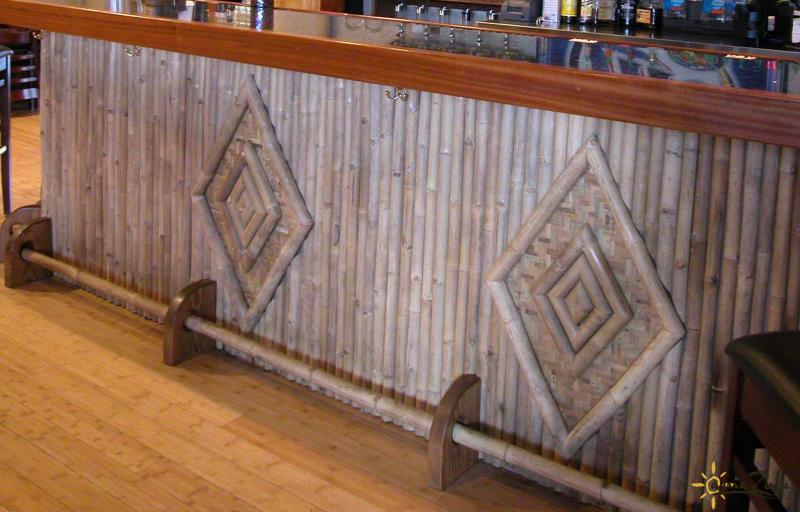
    Grey Decorative Tambour Bamboo Wall

    Woven Bamboo Matting

    Decorative woven bamboo mats are made by cutting bamboo into small strips and compressing them together using heat and pressure. This decorative woven matting is an intelligent choice for wainscotting, ceiling treatments or anything else they can be adhered to. Woven bamboo matting is available in natural and synthetic bamboo materials with different sizes and thicknesses. This makes bamboo matting ideal for indoor or outdoor areas as well as high-traffic areas.

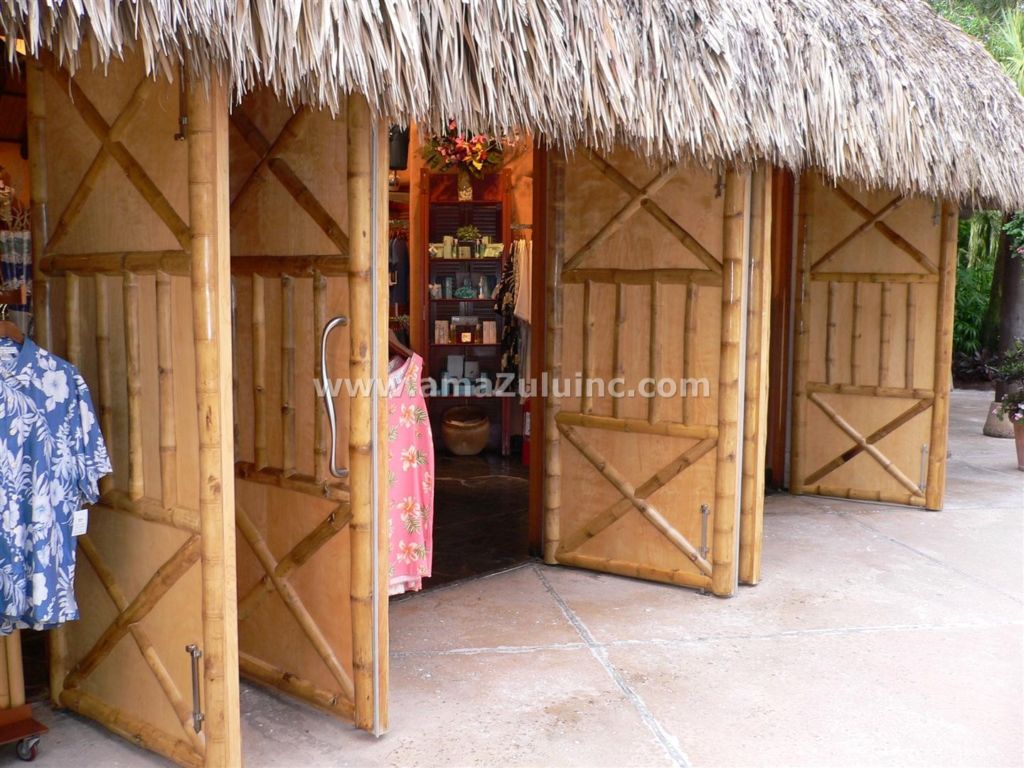
    Tonkin Bamboo Fence Panel ceiling treatment

    Bamboo Ceiling Panels

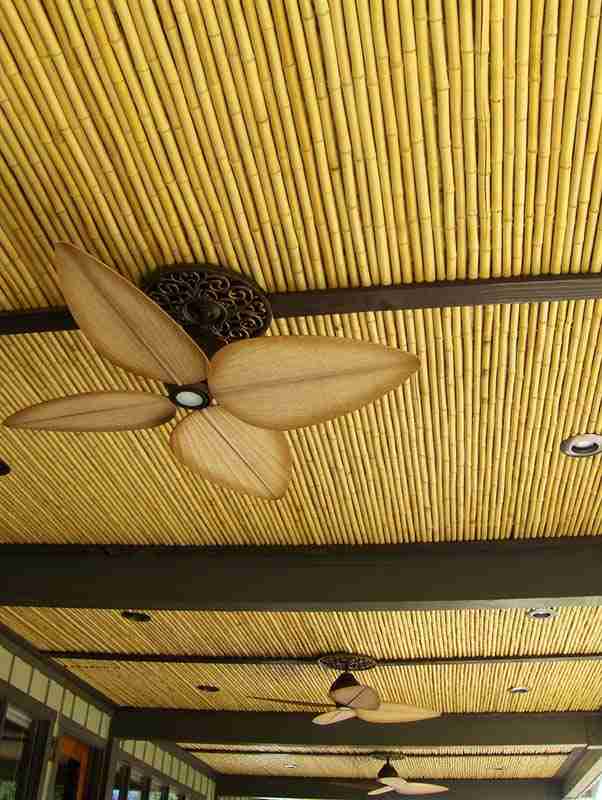
    Don’t overlook the ceiling. Turn that drab ceiling into a work of art. Ceiling panels are an excellent way to revamp any room into a tropical getaway. So many resorts and restaurants have used this technique and their guests keep coming back for the ambiance.  Bamboo ceiling panels come in different sizes and designs, allowing you to choose the one that best suits your project. Bamboo and reed ceiling panels are easy to install and require minimal maintenance. This makes them an ideal choice when you want to create a lush, tropical look without much hassle.

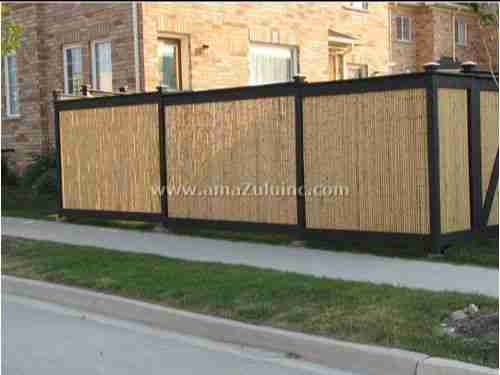
    tonkin bamboo privacy fence residential

    Bamboo Fence Panels

    Did you know bamboo fence panels can be much more than fencing? Of course, they are an excellent addition if you have traditional fencing materials. But fencing panels can also be used for walls, hide unsightly areas on the property or be used for traffic control in busy areas. Fencing panels are made from bamboo poles that are processed and glued together to form a solid panel, making them quite durable. Bamboo fencing is available in different sizes and thicknesses, making them suitable for various applications. Bamboo fence panels are durable and eco-friendly, making them an ideal choice for creating a natural look while being environmentally conscious.

    bamboo slats

    Natural Bamboo Slats

    Natural bamboo slats are made from bamboo poles sliced and sanded to produce a flat side. Once processed, they can be arranged side by side to make a bamboo wall panel appear. These bamboo slats are available in different sizes, making them suitable for a variety of applications. These bamboo trim pieces are available in natural honey color or stained mahogany, allowing you to choose the one that best suits your decor.

    How Do You Want to Use Bamboo Panels?

    As you can see, bamboo coverings are an excellent addition to any room. They are durable, eco-friendly, and come in a variety of styles, making them suitable for various applications. Whether you’re looking for wainscotting, wall coverings, fence panels,  or decorative accents, consider using bamboo for your next building project and enjoy its many benefits.

  • Types of Commercial Bamboo Building Materials

    Using bamboo poles as a building material is not new. Bamboo has been used in construction for over 5,000 years. If you’re considering commercial bamboo building materials for your next project, this is for you. Bamboo construction materials are favored when certain elements are sought after. Does your property need a tropical touch with natural beauty? Are sustainability and green design a priority? Do strength and quality matter? Building with bamboo is a must. If any or all of these statements are true, then you should seriously consider adding commercial bamboo building materials to your supply

    bamboo uses

    Choosing the Right Commercial Bamboo Building Materials

    How will you use bamboo as a building material? The possibilities are almost endless. Depending on the type of bamboo you pick, you can enjoy the tensile strength of light steel, a sturdiness that’s just right for flooring, or a friendly flexibility that’s easily bent into shape. All our Bamboo has been specially treated to prevent “Powder Post Beetle” infestation which is why we tell customers never just to cut a piece of bamboo grown in the yard and then start building with it. Once the beetle lays eggs, destroying the bamboo is the only way to eliminate them.

    If you can imagine it, you can probably use bamboo to build it. This material is a fantastic choice for fencing, walls, support poles, flooring, bridges, roofs, and even complete structures. It can be used in furniture, as accent pieces or trim, or to form room dividers or screens. The possibilities are incredible.

    There are several types of bamboo building materials. From large bamboo poles to decorative bamboo poles. Each type of bamboo can look fun, elegant, and attractive. However, choosing the right option is vital for the best result.

    Solid Bamboo Poles

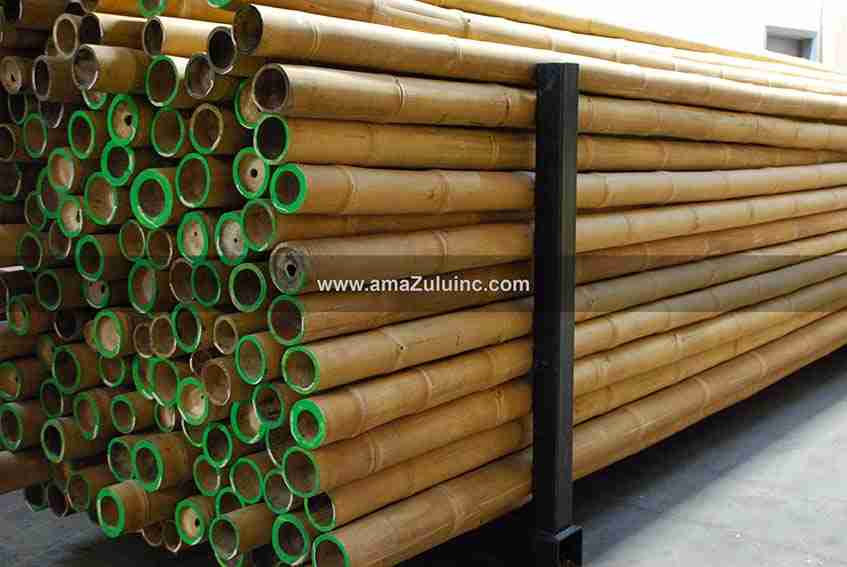
    Solid bamboo poles are richly colored in hues of honey and tan. They’re a top pick for people whose priority is strength. This bamboo has incredibly dense walls. In fact, the poles have wall thicknesses between 60% and 99%. They’re suitable for any project that requires weight bearing, so they’re often used in the construction of structures and furniture. At amaZulu, we pressure treat our solid bamboo poles to protect against the Powder Post Beetle. They average 1.5 inches in diameter and are available in lengths of 8 feet, 10 feet, and 12 feet. 

    Tre-Gai Bamboo

    Tre-Gai Bamboo

    Tre-gai bamboo poles showcase the surprisingly numerous shades of tan. These large bamboo poles also provide more texture with pronounced nodes for a naturally rustic look. These large bamboo poles are another great choice when you’re looking for sturdy, construction-friendly bamboo. Its wall thicknesses are between 50% and 100%, so Tre-Gai is a long-lasting and split-resistant material. At amaZulu, the Tre-Gai poles are pressure-treated to protect against the Powder Post Beetle. They average between 2-3 inches and 3-4 inches in diameter. Lengths of 8 feet, 10 feet, and 12 feet are available.

    pallet of Petung Bamboo

    Petung Bamboo

    Petung bamboo is a strong choice that’s also referred to as dragon bamboo or giant bamboo. Its dense walls grow big and quick. The result is a sturdy bamboo in shifting shades of tan and sand with straight walls, evenly spaced nodes, and few marks to mar its beauty. It’s ideal for supports, roof beams, decorative accents, and other features. At amaZulu, we offer 12-foot poles with diameters averaging 1.5-2 inches, 2-3 inches 3-4 inches, and 4-5 inches. If you’d really like to make a statement, we offer 18-foot poles with diameters averaging 5-6 inches. With those dimensions, it’s easy to understand why Petung bamboo is called giant!

    Bamboo is an excellent material, but you’ll want to choose wisely. Some products are only suitable for decorative purposes. If you need help selecting the right type of commercial bamboo building materials for your next project, reach out to the professionals at amaZulu, Inc. We’ll be delighted to assist you.

  • Creative Amenity Packages Start with Connections

    St. Bourke, an Atlanta-based asset management and property development company, thinks about amenities differently post pandemic. Creative amenity packages are more important than ever. Amenities are no longer a “luxury” feature of higher priced communities; amenities now a necessary component when designing and constructing a successful community.

    “Residents want to live, work and play in their own communities with a strong emphasis on fun and connectivity to the outdoors,” St. Bourke President Ben Simpson said. “St. Bourke focuses on tailoring amenities to the community’s target market and focusing on what creates the best activities for that demographic, whether they are active adults or young families.”

    Creative amenity packages often start by using what is already available and exploring connections with adjacent or nearby established amenities, such as adding a walking trail connection to an existing park. What is near a community is often as important as what is within the community itself.

    Partnering with municipal parks that are near or adjacent to communities often provides the best amenities. St. Bourke is currently designing a 1,000+ lot development in Gwinnett County that is contiguous to the award-winning Little Mulberry Park. The project’s master plan incorporates and extends the park’s walking, biking, and equestrian trails throughout the site, essentially making the park an extensive of the project’s already-robust proposed amenity package.

    Another consideration is the cost to maintain expansive amenities. For example, community pools are far more expensive to build and maintain for homeowners’ associations than trails and parks. Often a community might be just as happy with a splash pad versus a junior Olympic pool.

    “The traditional pool and clubhouse with four tennis courts is no longer the standard amenity package,” Simpson said. “Instead, we are incorporating pickleball courts, splash pads, event lawns, outdoor gathering areas, flexible sports fields, and communal spaces.”

    Of course, there are exceptions! Many build-to-rent (BTR) communities have more extensive amenity packages as compared to for-sale communities in most cases, and most active adult communities focus on social activities and lifestyle that are often centered around a clubhouse and a pool.

    St. Bourke re-envisioned amenities at the Georgian Acres to create Little Fox Lake and a sense of place. Located in Gainesville, Georgia (Hall County), St. Bourke saw potential of a long-forgotten lake, transforming the lake and surrounding woodlands into a usable amenity for the growing community.

    A lake management expert was brought in to improve the clarity and quality of the water, certifying the lake as “swim safe.” A custom floating swim dock and kayak racks were added with a walking trail that connects the lake to the original amenity, which includes scenic views and can be accessed from multiple trailheads in the community.

    At Tyler, Home on the Lake in New Bern, North Carolina, St. Bourke worked with nature to create an immersive experience. Nestled between the Neuse and Trent Rivers, experiencing nature is a priority for Tyler residents. The community is located between the Neuse and Trent Rivers and boasts more than ½ mile of river frontage. In addition to developing miles of paved walking trails throughout the community, St. Bourke transformed the community’s 60-acre interior lake (once largely decorative) into a usable amenity featuring a fishing pier and kayak launch. Given the size of the community (400+ homes at completion), St. Bourke also oversaw the design and construction of a pool and cabana amenity just inside the community’s redesigned entrance.

    St. Bourke is an asset management and property development company primarily focused on residential communities and commercial assets. Offering a full suite of placemaking services ranging from acquisition through detailed design and development to ongoing management, St. Bourke has helped a variety of both private and institutional clients achieve their project goals. Founded in 2015, St. Bourke creates thriving communities and drives significant value for its clients, partners and community stakeholders. Active in 20 U.S markets with 90 active residential projects, St. Bourke manages more than 12,000 acres and 25,000 lots. As placemakers, St. Bourke makes places from the ground up. For more information call 678-853-2530 or visit www.StBourke.com.


  • Exciting Amenity Progress at Cresswind Georgia at Twin Lakes

    Kolter Homes – a leader in developing next-generation, highly-amenitized, master-planned active adult communities in the Southeastern U.S. – is proud to announce exciting construction updates regarding the highly anticipated amenities at Cresswind Georgia at Twin Lakes. While construction continues on The Club at Cresswind Georgia, residents are enjoying weekly community events in the finished daylight basement of the Poplar model home, as well as the use of the community garden, dog park, walking trails and new covered seating at the Pickleball Complex.

    “Impressive progress has been made the past month on the amenities at Cresswind Georgia at Twin Lakes,” Community Director Jennifer Landers said. “Residents are beyond excited to live the full Cresswind lifestyle, so each completed element helps add to that enthusiasm.”

    The community garden encourages social health and serves as a collaborative project for the neighborhood while the dog park gives man’s best friend an open space to run and play. Several Exciting Amenity Progress at Cresswind Georgia at Twin Lakeshiking trails are also open for residents to enjoy the community’s natural, serene backdrop.

    Additionally, the new covered seating at the Pickleball Complex is complete, just in time for the summer heat. Residents and the Pickleball Club, one of the community’s most active groups hosting tournaments roughly every other month, have been enjoying the 21 completed pickleball courts and “Eagle’s Nest” spectators pavilion since its completion last fall.

    The Cresswind Georgia Pickleball Center serves as the community signature and will feature more than 40 pickleball courts upon completion, estimated to be one of the largest private pickleball complexes in the Southeast and the largest in Georgia.

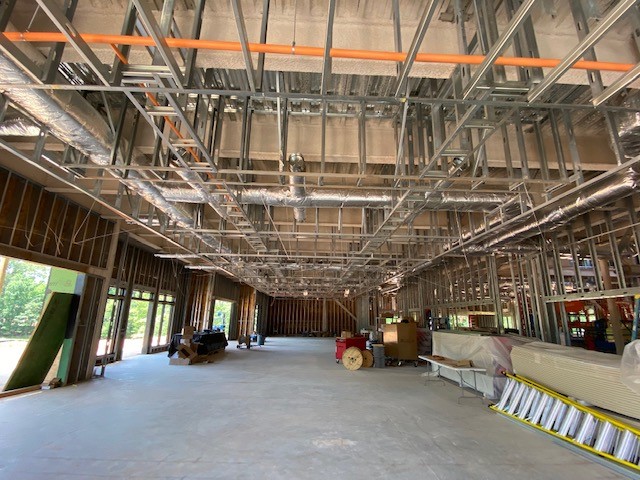
    Other amenity construction updates include the completion of the Club Cresswind roof trusses with first and second-floor framing in process. The natatorium roof and windows are also installed, and drywall and exterior finishes have begun.

    While building continues on the highly anticipated, resort-style amenities, residents are currently enjoying a variety of community clubs, such as the Men’s Club, Welcome Committee and Pickleball Club, as well as gatherings in the Poplar model home including a monthly Bunco game, a Mud Mask workshop with Green Girl Basics and beginner’s knitting class.

    Cresswind Georgia is the active adult component of the master-planned Twin Lakes neighborhood in Hoschton, Georgia. Set across several hundred acres of preserved nature and walking trails,Exciting Amenity Progress at Cresswind Georgia at Twin Lakes planned amenities at Cresswind Georgia at Twin Lakes include Club Cresswind, a resident-only community clubhouse with a lounge area, lakeside views, event spaces, a state-of-the-art Cresswind SmartFIT Training Center powered by EGYM, arts and crafts room and indoor pool with lap lanes. Planned outdoor amenities include walking trails, a resort-style pool, tennis and pickleball courts, event lawn and bandshell. Cresswind Georgia also features two community lakes for fishing, kayaking and canoeing.

    Twin Lakes is estimated to be the largest new residential master-planned developments to open in the greater Atlanta area in more than a decade. As the newest Cresswind community in Georgia by Kolter Homes, this new active adult community features 1,300 of the 2,600 total new homes Twin Lakes.

    Priced from the high $300,000s to $500,000s, home designs at Cresswind Georgia feature regionally inspired elements with design options, layouts and finishes created with today’s active adult in mind. Open daily, the Cresswind Georgia model home park features 15 decorated home designs with a variety of personalization options including golf cart garages, flexible room configurations, finished or unfinished bonus rooms, enclosed patios and more.

    To learn more about new Hoschton homes now selling at Cresswind Georgia at Twin Lakes, visit www.CresswindGeorgia.com.

    For more information regarding Cresswind communities throughout Florida, Georgia and the Carolinas, visit www.Cresswind.com.

  • Kolter Homes Announces Final Phase at Cresswind Peachtree City

    Kolter Homes – a leader in developing next-generation, highly-amenitized, master-planned active adult communities in the Southeastern U.S. – recently announced the final phase of homesites at Cresswind Peachtree City. This last installment at the “Best 55+ Community” in the Atlanta area will offer finished daylight basement options for flexible living, as well as slab options.

    “Previous phases at Cresswind Peachtree City have proven to be extremely popular,” Area Sales Manager Joe Hawkins said. “This last collection of homesites features a nice mix of floor plan options and will be convenient to the clubhouse upon completion, which has many home shoppers excited about the opportunities.”

    This last phase of 13 low-maintenance homes at Cresswind Peachtree City is convenient to the resident-only clubhouse and future community garden. Homebuyers can choose from the builder’s Kolter Homes Announces Final Phase at Cresswind Peachtree Citypopular Aberdeen and Kedron floor plan collections ranging from 2,027 to 3,129 square feet of thoughtfully designed living space.

    The Kedron Collection offers finished daylight basement options, perfect for private overnight retreats for grandkids and friends, media rooms, hobby spaces, home gyms and more. Designed for the way active adults live today, other popular design options include golf cart garages, screened-in porches, sunrooms and flexible lofts and bonus rooms, per plan.

    In 2021, Cresswind Peachtree City was the No. 2 top-selling active adult community in the Atlanta area, according to the latest data from MarketNsight. It has also previously been named the 55+ Community of the Year by the Greater Atlanta Home Builders Association, in addition to winning Lifestyle Program of the Year at the 2020 Best of 55+ Housing Awards. Such accolades have helped drive tremendous interest in the community since it launched in late 2016, all leading to this final phase.

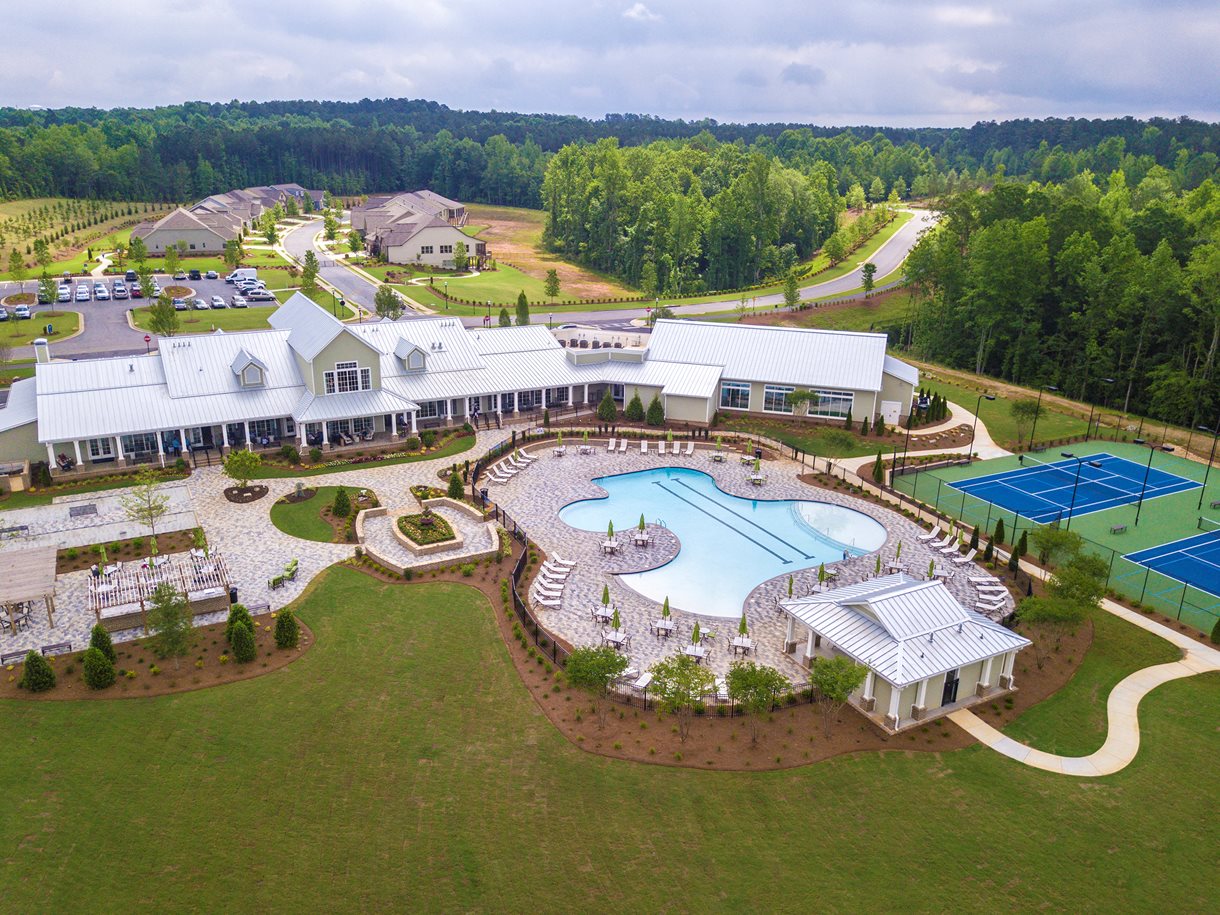
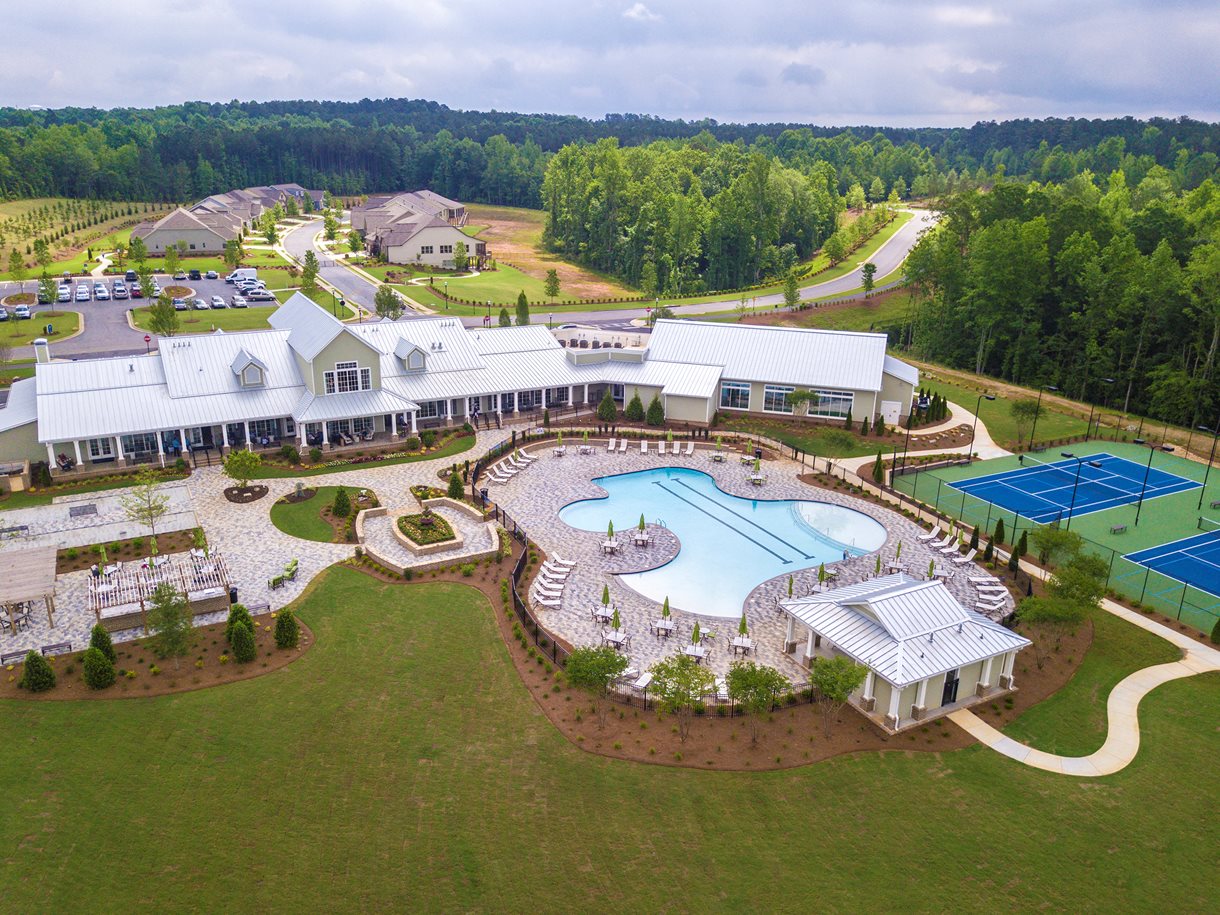
    Overseen by a full-time lifestyle director, residents at Cresswind Peachtree City enjoy resort-style amenities that include a resident-only clubhouse with fitness center, demonstration kitchen, arts and crafts studio, social spaces and an indoor pool. Outdoor amenities include pickleball, bocce and tennis courts, walking and hiking trails, a resort-style pool with sundeck and event lawn.

    Surrounded by more than 400 acres of rolling hills, Cresswind Peachtree City also offers easy access to local shopping, dining, golf and healthcare facilities via 100+ miles of golf cart paths, the city’s hallmark. For further exploration, Cresswind Peachtree City is a half-hour or less from Atlanta Hartsfield-Jackson International Airport, downtown Atlanta and major sporting venues.

    The community’s model park, located at 146 Red Maple Drive in Peachtree City, is open daily. Call 770-212-2099 or visit www.CresswindPeachtreeCity.com to schedule an online or in-person visit. For complete details regarding new active adult opportunities from Kolter Homes, visit www.KolterHomes.com.

  • First Software Company in India to be WELL Certified

    Did you know that we spend about 90% of our time indoors? That is roughly 22 hours each day. Hence our indoor environments, such as the amount of daylight, the air quality indoors, the temperature, humidity, and the types of food we consume, among other things, have a compelling influence on our overall health and well-being.

    At our eFACiLiTY® building, your health is our priority. We believe that spaces have the power to positively impact every employee’s health, safety, and well-being, including yours. And that’s why we’re so pleased to share the news about our WELL Certification.

    We worked in tandem with a team at InHabit, a Coimbatore-based Green Building Consultant that helped introduce an array of positive, health-focused changes. Ergonomic furniture, water quality standards, circadian lighting, and outdoor physical activity spaces were just a few features we have incorporated that were informed by the WELL Building Standard™ (WELLTM).

    WELL combines best practices in design, construction, and operations with evidence-based scientific research – harnessing buildings as vehicles to support human health and well-being. Beyond the physical features, WELL also informs our organization’s policies and protocols, from the benefits we provide to our employees to the operational protocols we follow to keep our space safer and healthier.

    We invite you to visit our eFACiLiTY® building and explore the new features in our space and policies:

    • The Air Quality standards maintained inside our eFACiLiTY® building exceeds the standards set for the operation theatres in hospitals
    • Installation of additional fresh air fans with HEPA filters supplying 60% enhanced fresh air helps us to constantly maintain CO2 levels well below 600 ppm, PM5, and PM10 levels below 10 ppm within the facility. People having respiratory issues like asthma, dust allergy, etc. get mobile alerts when the air quality parameters breach optimum levels in their respective locations
    • Our eFACiLiTY® Smart Facility App ensures that the employees maintain a healthy diet. They are alerted when they try to order any food containing ingredients that could trigger allergies. The app promotes healthy food options by providing nutrient information and ingredients used in each meal item
    • Legionella control, sediment filtration, microbial elimination, and periodic water quality testing ensure high-quality water availability around the clock in our facility
    • Our eFACiLiTY® Occupant Wellness App caters to the human health & wellness standards for buildings specified in the WELL Building Standard™
      and equips our employees to monitor their physical activity, nutrition, and environmental parameters, enabling them to benchmark their physical activity amongst their peers at work. It enables them to move towards a much healthier lifestyle and improve their overall health & well-being
    • Our interiors, hallways, and staircases are designed with aesthetically pleasing regional artwork, light works, and various natural design elements like indoor plants installed at strategic locations
    • We have also integrated WELL related policies into our HR policies rendering them more employee health & well-being friendly and supportive to their personal life & family
    • We support mental health & well-being through our commitment to providing mental health education, programming, and initiatives like standing desks, fitness equipment, etc.
    • Feel a sense of security knowing that we have developed an emergency management plan and supporting resources

    Our eFACiLiTY® Building at Coimbatore is also rated as the World’s 2nd Highest Ranking Green Building under the U.S. Green Building Council LEED rating system NC v2009 and India’s Highest Ranking Green Building under the India Green Building Council (IGBC) Green New Buildings rating system.

    Learn more about WELL Certification at www.wellcertified.com

    Hashtags:
    #wellbuildings #IWBI #wellness #healthybuildings #healthyspaces #wellbuildingstandard #wellv2 #healthyworkplace #healthandwellness

  • Top Selling Atlanta Communities: Cresswind Georgia, Cresswind Peachtree City, Twin Lakes

    Kolter Homes – a leader in developing next-generation, highly-amenitized, master-planned active adult communities in the Southeastern U.S. – is proud to announce in 2021, Cresswind Georgia at Twin Lakes was the No. 1 selling active adult community in metro Atlanta with 140 homes closed, while Cresswind Peachtree City claimed the No. 2 spot with 127 homes closed. Additionally, Twin Lakes, the master-planned community in Hoschton, Georgia where Cresswind Georgia is located, was the No. 1 selling community in all of metro Atlanta in 2021 with 321 homes closed between all home builders in the development.

    “Our continued success in the metro Atlanta area demonstrates how we are providing a product that satisfies the demand of the active adult buyer who is seeking a quality-built home in a thoughtful community setting,” Tony Adams, Kolter Homes regional vice president of Georgia and Northwest Florida, said. “The Cresswind lifestyle is unmatched in the active adult market.”

    The builder’s popular Cresswind Peachtree City previously held the No. 1 top-selling active adult community title in both 2019 and 2018, according to MarketNsight data.

    “Active adult communities continue to be some of the top-selling communities in the country and here in Atlanta,” MarketNsight Principal and Chief Analyst John Hunt said. “After the impressive response with homebuyers at Cresswind Peachtree City, Cresswind Georgia is now leading the way as the top-selling overall active adult community in the metro Atlanta area.”

    Cresswind Peachtree City Amenities
    Cresswind Peachtree City

    “Our homebuyers have ‘voted’ with their purchase of a new home at our metro Atlanta Cresswind communities,” Adams said. “They find value in the Cresswind lifestyle program and experience offered to them, and we are proud to continue to deliver top-selling active adult communities to the metro Atlanta area with more to come.”

    Cresswind Georgia serves as the active adult component of the master-planned Twin Lakes development in Hoschton, Georgia, estimated to be the largest new residential master-planned developments to open in the greater Atlanta area in more than a decade with 2,600 total homes, 1,300 of which are at Cresswind Georgia.

    Priced from the upper $300,000s to $500,000s, home plans at Cresswind Georgia exhibit regionally-inspired design options, layouts and finishes created with today’s active adult in mind. Open daily, the award-winning Cresswind Georgia model home park features 15 decorated home designs with a variety of personalization options on display, such as golf cart garages, flexible room configurations, finished or unfinished bonus rooms, enclosed patios and more.

    Twin Lakes is a master-planned community named in honor of its 11-acre and 39-acre waterways. The community is approved for 1,300 single-family homes built by DR Horton, Fischer Homes and Eastwood Homes and 1,300 active adult homes built by Kolter Homes, to total 2,600 homes.

    To learn more about new Hoschton homes now selling at Cresswind Georgia at Twin Lakes, visit www.CresswindGeorgia.com. Explore additional Cresswind communities throughout Florida, Georgia and the Carolinas at www.Cresswind.com.

  • Kolter Homes to Participate in 2022 Atlanta Parade of Homes

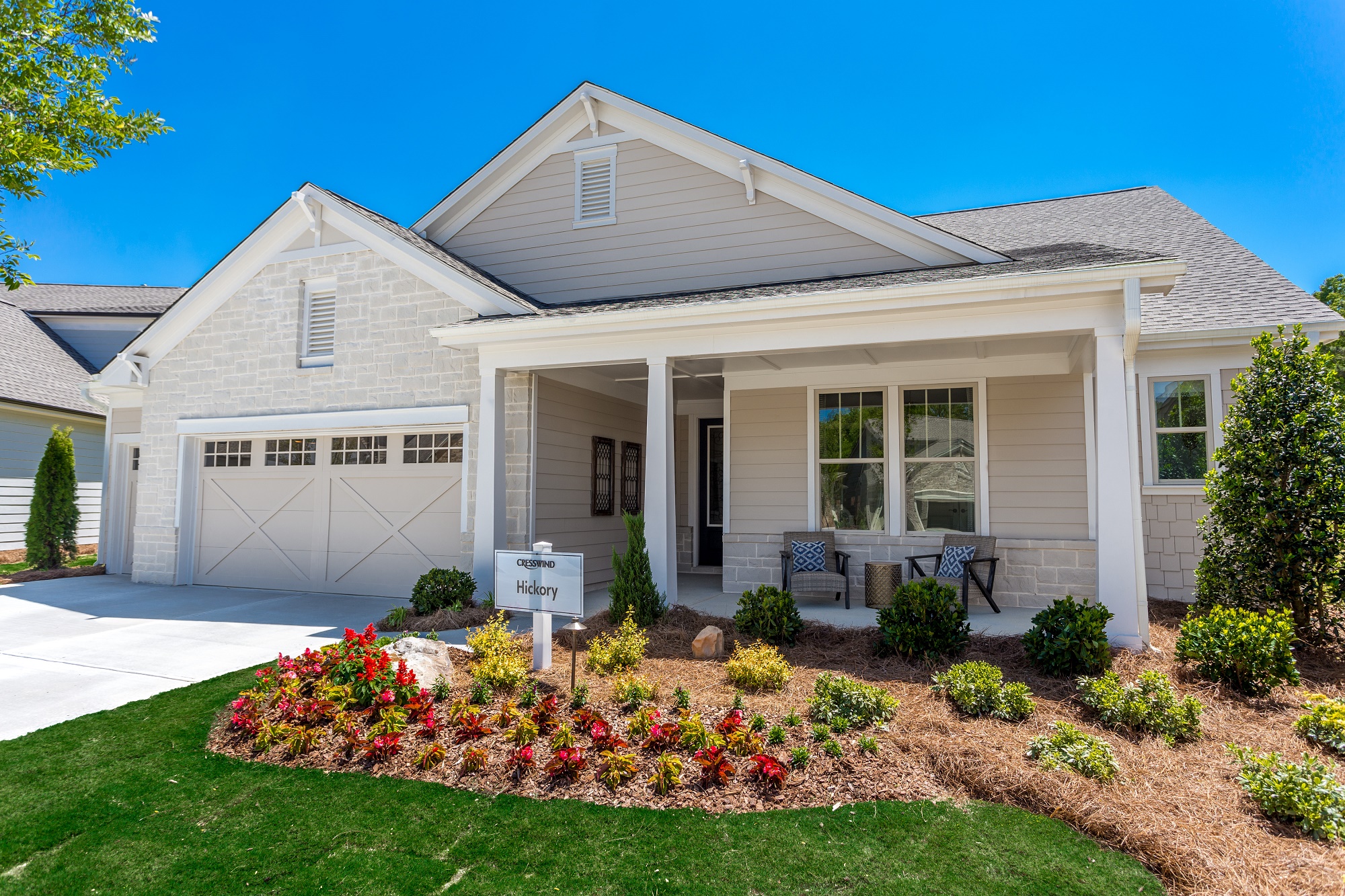
    Kolter Homes to Participate in 2022 Atlanta Parade of HomesKolter Homes – a leader in developing next-generation, highly-amenitized, master-planned active adult communities in the Southeastern U.S. – is excited to announce the Hickory model home at Cresswind Georgia at Twin Lakes is on tour during the 2022 Atlanta Parade of Homes. Hosted by the Greater Atlanta Home Builders Association, the Parade features more than 50 homes throughout the metro Atlanta area, many of which are decorated model homes.

    This free, self-guided Parade is open to the public the weekends of April 23-24, April 30 – May 1 and May 7-8, giving interested homebuyers three full weekends to visit homes. Homes are open for touring on Saturdays from 11 a.m. to 5 p.m. and Sundays from 1 to 5 p.m. The Atlanta Parade of Homes presents a unique opportunity to choose the exact location, home design and designer options buyers want for their new home, as most entries are available for purchase.

    “We’ve been developing active adult Cresswind communities in the Atlanta area for a decade now and we love participating in the Atlanta Parade of Homes,” Cresswind Georgia at Twin Lakes Community Director Jennifer Landers said. “Our model homes display the latest trends in design and energy efficiency for active adult homebuyers.”

    The Hickory model home at Cresswind Georgia at Twin Lakes will be on display during this year’s Parade. Featuring 2,796 square feet of total living space, the Hickory boasts three bedrooms, two-and-a-half baths and a two-car garage with attached golf cart garage.

    Kolter Homes to Participate in 2022 Atlanta Parade of HomesTailor-made for entertaining friends and family, this thoughtful floor plan offers easy kitchen access to both the café and formal dining room through the convenient butler’s pantry while the kitchen island, great room and sunroom provide plenty of casual seating options. Homebuyers have a variety of personalization options to choose from in the Hickory including a fourth bedroom, a screened porch, unfinished or finished bonus room, basement selections and more.

    Priced from the upper $300,000s to $500,000s, home plans at Cresswind Georgia feature regionally inspired designs with layout and finish options created with today’s active adult in mind. Open daily, the Cresswind Georgia model home park features 15 decorated home plans with a variety of personalization options on display including golf cart garages, flexible room configurations, finished or unfinished bonus rooms, enclosed patios and more.

    Learn more about Cresswind Georgia at Twin Lakes at www.CresswindGeorgia.com. See all model home photos and press materials at https://bit.ly/3gOpwET.

    For more information regarding the Hickory model entry into the 2022 Atlanta Parade of Homes, visit www.ATLHomesParade.com/Contents/Item/Display/3606.