Blog

  • Low-Carbon Material HERACEY Screening (Guest Post) G#42986

    Low-Carbon Material HERACEY™ Screening Guest Post

    GBE > Advertise > Collaborate > Services > Guest Posts > G#42986

    About:


    Comparing Carbon: Low-Carbon Material Selection Using HERACEY™ Principles Screening

    Why “Comparing Carbon” Requires Method, Not Rhetoric

    “Low-carbon material selection” is frequently discussed but rarely defined with sufficient technical precision. In practice, material choice is often reduced to a single metric—embodied carbon, typically expressed as kilograms of carbon dioxide equivalent per kilogram of material (kgCO₂e/kg). While embodied carbon is essential, it is not sufficient on its own to support environmentally responsible decision-making in buildings, infrastructure, and refurbishment.

    This article responds directly to that limitation. It presents a methodical, evidence-led framework for comparing carbon impacts using HERACEY™ principles, as defined by Green Building Encyclopaedia (GBE). The objective is not to promote products or prescribe design outcomes, but to establish a defensible selection logic aligned with UK and EU construction practice, available datasets, and regulatory expectations.

    The article anticipates common editorial and professional objections—such as “carbon data is inconsistent,” “low-carbon materials underperform,” or “heritage and durability concerns override carbon goals”—and addresses them explicitly using transparent reasoning and verifiable data.

    It is also important to recognise that material selection never occurs in isolation. Design and specification decisions must balance essential performance requirements, regulatory compliance, cost, client needs, architectural intent, aesthetics, and environmental impact. Carbon comparison must therefore operate as part of a multi-criteria decision framework, not as a single-point optimisation.

    Defining Key Technical Concepts (No Assumptions)

    Embodied Carbon

    Embodied carbon is the sum of greenhouse gas emissions associated with material extraction, processing, manufacture, transport, installation, maintenance, replacement, and end-of-life (end of first use) stages. It is assessed using Life Cycle Assessment (LCA) and reported in kgCO₂e.

    In UK practice, embodied carbon is commonly calculated using:

    • EN 15804:2012 +A1:2013 and +A2:2019 Environmental Product Declarations
    • ISO 14040 and ISO 14044 (LCA framework and principles)
    • BS EN 16449:2014 (biogenic carbon in wood products)
    • RICS Whole Life Carbon for the Built Environment (both editions)

    Any comparison not grounded in these standards lacks technical credibility.

    Operational Carbon

    Operational carbon refers to emissions from energy use during a building’s occupation phase. While critically important, it is outside the primary scope of this article, except where material choice directly affects operational demand—for example through thermal conductivity, thermal mass, moisture buffering, or airtightness performance.

    Carbon-Back Period

    A carbon-back period is the time required for a material, product, or system to offset its embodied carbon through operational savings or avoided future emissions. GBE prioritises carbon-back over financial payback because it reflects climate impact rather than cost efficiency.

    Low-Carbon and Low-Impact Materials

    A low-carbon material is not simply one with lower embodied carbon than a conventional alternative. A more accurate term is often low-impact material. To qualify, a material must:

    • Avoid transferring impact to other life-cycle stages
    • Avoid reliance on petrochemicals where viable alternatives exist
    • Be compatible with realistic circular economy pathways

    This definition aligns directly with HERACEY™ principles.

    HERACEY™ as a Selection Framework, Not a Label

    HERACEY™ is not a certification scheme or marketing badge. It is a multi-criteria decision framework used to test whether a material contributes positively to sustainable construction outcomes.

    HERACEY™ Components (Defined)

    • Healthy: Non-toxic manufacture, safe installation, and benign indoor air quality
    • Environmental: Low embodied carbon, energy, water use, and chemical load
    • Resourceful: Enables reuse, repair, recycling, or biodegradation
    • Appropriate: Fit for purpose, context-specific, and technically suitable
    • Competent: Tested, certified, and supported by reliable data
    • Effective: Delivers meaningful performance outcomes, not marginal gains
    • Yardstick: Enables benchmarking, calculation, and comparison

    A material may be “low carbon” in isolation yet fail one or more HERACEY™ criteria, and therefore fail GBE’s definition of sustainability.

    Why Single-Metric Carbon Comparison Is Technically Insufficient

    Editorial Objection Anticipated

    “If embodied carbon is low, why complicate the decision?”

    Evidence-Based Response

    Single-metric comparison ignores impact displacement. For example:

    • A material with low manufacturing carbon may require frequent replacement.
    • Another may reduce embodied carbon but introduce high chemical toxicity.
    • Some low-carbon materials increase moisture risk, leading to premature failure.

    Whole-life carbon assessments consistently demonstrate that durability, compatibility, and maintenance frequency materially affect total emissions.

    Carbon comparison must therefore be contextual and system-based, not absolute.

    Comparative Carbon Evaluation Using HERACEY™ Principles

    Mineral-Based Materials (e.g., Lime vs OPC Cement)

    Ordinary Portland Cement (OPC / CEM I) is excluded from GBE promotion due to its high embodied carbon and unavoidable process emissions.

    By contrast:

    • Hydraulic and non-hydraulic limes exhibit significantly lower embodied carbon.
    • Lime carbonation partially reabsorbs CO₂ during curing.
    • Lime mortars enable repair rather than demolition, extending building life.
    • Lime mortars allow deconstruction and reclamation of masonry units.

    HERACEY™ Evaluation:

    • Healthy: Low VOCs and vapour permeability (with appropriate handling to manage alkali exposure)
    • Environmental: Lower carbon and reduced chemical intensity
    • Resourceful: Reversible, recyclable, supports reuse
    • Appropriate: Particularly suited to historic and solid-wall construction
    • Yardstick: Supported by EPDs and BRE datasets

    Bio-based materials can demonstrate net biogenic carbon storage, temporarily removing CO₂ from the atmosphere until end-of-life treatment.

    HERACEY™ requires scrutiny of:

    • Source certification (FSC, PEFC, chain of custody)
    • Treatment chemistry
    • End-of-first-use scenarios

    For example:

    • Untreated or minimally treated timber performs strongly across HERACEY™ criteria.
    • However, competent design and workmanship are essential.
    • Timber reliant on petrochemical preservatives may fail Healthy and Environmental criteria despite low carbon values.

    Carbon, Water, and Chemistry: Interlinked Metrics

    Editorial Objection Anticipated

    “Carbon is the priority—why introduce water and chemistry?”

    Evidence-Based Response

    Water use and chemical intensity are strongly correlated with carbon emissions and ecological harm. High-temperature industrial processes typically require:

    • Large water volumes
    • Chemical additives
    • Fossil fuel energy

    Materials with low embodied carbon but high chemical toxicity externalise health and remediation costs. Emerging GBC calculators now recognise this and are expanding to address embodied water and chemistry alongside carbon. HERACEY™ integrates these metrics to prevent false positives in carbon comparison.

    Carbon-Back Periods vs Payback Periods

    Financial payback prioritises:

    • Reduced capital cost
    • Faster return on investment

    Carbon-back prioritises:

    • Avoided future emissions
    • Longevity and adaptability
    • Reduced replacement frequency

    For example, a breathable wall build-up using lime and bio-based insulation may involve slightly higher upfront labour costs but delivers substantially lower maintenance emissions and a service life exceeding 100 years.

    From a carbon perspective, this is demonstrably superior.

    Addressing Performance and Risk Concerns

    Editorial Objection Anticipated

    “Low-carbon materials compromise performance or compliance.”

    Evidence-Based Response

    This concern typically arises from:

    • Inappropriate design or specification
    • Lack of installer competence
    • Use outside intended technical context

    HERACEY™ does not promote universal substitution.

    It requires appropriateness—meaning structural, hygrothermal, fire, durability, and regulatory performance must be demonstrably achieved.

    Low-carbon does not mean low-performance; it means equivalent or superior performance achieved with lower environmental cost.

    The Role of Yardsticks: Making Comparison Auditable

    To be acceptable within GBE scope, carbon comparison must be:

    • Quantifiable
    • Repeatable
    • Transparent

    Acceptable yardsticks include:

    • EN 15804-compliant EPDs
    • RICS Whole Life Carbon benchmarks
    • Open, unlocked datasets
    • BRE Green Guide classifications (used with caution and context)

    Materials without verifiable data fail the Competent and Yardstick criteria regardless of claims.

    Implications for Design, Specification, and Refurbishment

    Low-carbon material selection using HERACEY™ principles results in:

    • Fewer incompatible assemblies
    • Reduced premature failure
    • Improved indoor environmental quality
    • Lower whole-life carbon emissions

    This approach is particularly relevant to:

    • Retrofit and refurbishment
    • Heritage buildings
    • Long-life public infrastructure
    • Social housing and community assets

    Conclusion: Comparing Carbon Requires Governance, Not Guesswork

    Comparing carbon is not a branding exercise or a spreadsheet shortcut. It is a governance challenge requiring:

    • Defined criteria
    • Transparent data
    • Context-specific judgement

    HERACEY™ provides a structured, evidence-led method for low-carbon material selection aligned with GBE’s educational mission and the UK’s climate responsibilities.

    By integrating health, environmental impact, resource efficiency, competence, and measurable outcomes, it prevents carbon reduction from becoming another form of unintended harm.

    Low-carbon materials are not inherently sustainable.
    Sustainable materials are demonstrably low-carbon within a wider system of accountability.


    GBE Team 

    Guest Author


    © GBE GBC GRC GIC GGC GBL NGS ASWS Brian Murphy aka BrianSpecMan ******
    7th February 2026

    Images:


    GBE Team 

    Guest Author

    LowImpactmaterials+HERACEYScreening GreenBuildingEncyclopaedia G#______ GBE Guest Posts


    Guest Posts on GBE A01 BRM 020420 PNG, GBE Guest Post (Collaborate) G#

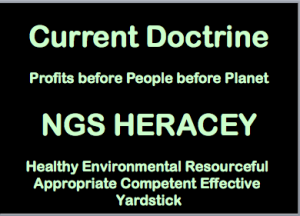
    Current Doctrine v Heracey(tm)

    Current Doctrine v NGS Heracey(tm)


    GBE HeraceyTM GBE HERACEY™ (Jargon Buster)

    GBE HeraceyTM


    © GBE GBC GRC GIC GGC GBL NGS ASWS Brian Murphy aka BrianSpecMan ******
    7th February 2026

    See Also:


    GBE Guest Posts


    GBE Circular


    GBE HERACEY™


    GBE Links


    GBE Other’s Stuff


    GBE Brain Dumps


    GBE Brainstorms


    GBE Issue papers


    GBE CPD Topic


    GBE CPD Titles


    GBE Navigation


    © GBE GBC GRC GIC GGC GBL NGS ASWS Brian Murphy aka BrianSpecMan ******
    7th  February 2026

    Low-Carbon Material HERACEY™ Screening (Guest Post) G#42986 End.

    The post Low-Carbon Material HERACEY Screening (Guest Post) G#42986 appeared first on Green Building Encyclopaedia.

  • Refurbishment as Climate Action (Guest Post) G#42874

    Refurbishment as Climate Action Guest Post

    GBE > Advertise > Collaborate > Services > Guest Posts > G#42874

    About:


    Refurbishment as Climate Action:

    Reducing Carbon Without Demolition and New Build

    • Climate action in the built environment is too often framed as a choice between “old and inefficient” versus “new and sustainable.”
    • This false binary has driven decades of demolition followed by new build, locking vast quantities of carbon into construction processes while discarding usable buildings, materials, labour, and cultural value.
    • In reality, refurbishment is one of the most effective and immediate climate actions available to the construction sector—particularly in the UK, where the majority of the buildings that will exist in 2050 already stand today.
    • This article positions refurbishment as a deliberate climate strategy rather than a secondary or compromised option.
    • It explores how repairing, upgrading, and reusing buildings can dramatically reduce embodied carbon, support circular economy principles, introduce climate adaptation, and deliver healthier, more resilient outcomes—without the environmental cost of demolition and rebuilding.

    Why New Build Is a Carbon Problem

    • New construction carries a substantial upfront carbon burden. Foundations, structures, finishes, and building services all rely on energy-intensive processes involving extraction, transport, manufacture, and installation.
    • Even highly efficient new buildings begin life with a significant carbon debt—carbon that must be “paid back” over time through reduced operational emissions. In many cases, that payback period extends for decades, if it is achieved at all.
    • This is fundamentally different from carbon offsetting, which attempts to compensate for emissions elsewhere rather than avoiding them at source.
    • For the purposes of climate mitigation, avoiding emissions is always more reliable than assuming future offsets will materialise.
    • Demolition compounds the problem. It generates large volumes of waste, much of which is downcycled, burned, or sent to landfill.
    • The loss of embedded energy, associated carbon, skilled labour, and material resources is rarely accounted for in headline sustainability claims.
    • Once these impacts are included, the environmental case for replacement weakens significantly.
    • Refurbishment challenges this model by recognising buildings as carbon and material banks—a concept promoted by circular economy research such as the BAMB (Buildings As Material Banks) project.
    • Keeping a structure standing avoids one of the most carbon-intensive stages of the construction lifecycle altogether.

    Refurbishment and Embodied Carbon: The Core Advantage

    The primary climate benefit of refurbishment lies in avoided embodied carbon. Every retained wall, floor, roof, and foundation represents carbon that does not need to be re-emitted.

    Key advantages include:

    • Avoidance of demolition emissions
    • Avoiding demolition arisings being sent to landfill
    • Retention of existing structural materials
    • Reduced demand for new, high-carbon products
    • Lower transport and logistics impacts

    Unlike operational improvements, these benefits are immediate. Carbon savings occur at the point of decision-making, not over an uncertain future lifespan.

    From a carbon-back perspective—how quickly climate benefit is achieved—refurbishment delivers impact when it matters most: now.

    Moving Beyond “Cosmetic” Refurbishment and Introducing Climate Adaptation

    One reason refurbishment is sometimes undervalued is its association with superficial upgrades: new finishes, decorative changes, or short-term improvements. Climate-focused refurbishment is fundamentally different and presents a major opportunity to integrate climate adaptation alongside mitigation.

    Effective low-carbon refurbishment prioritises:

    • Building fabric performance in a fabric-first scenario
    • Whole House Plan (understanding the final outcome avoiding redundant and repetative work)
    • Durability and repairability
    • Long service life of whole building and its components
    • Reduced maintenance cycles
    • Resilience to overheating, moisture, and extreme weather

    Replacing a functioning element simply because it looks outdated often increases embodied carbon rather than reducing it. Climate-aligned refurbishment asks more critical questions:

    • Does this element still perform adequately?
    • Can it be improved without replacement?
    • When replacement is necessary, can it be done without affecting surrounding components?

    This approach supports both carbon reduction and long-term adaptability.

    Fabric First, Not Technology First

    A common mistake in refurbishment projects is prioritising mechanical and technological systems before addressing the building fabric. Services do not make a building efficient; a competent, well-insulated fabric does. Services merely compensate for deficiencies.

    Insulation is paid for once. Services require electricity or fuel for the entire life of the building, incur ongoing costs, and have much shorter lifespans than building fabric—adding future replacement impacts.

    A robust climate strategy typically follows this hierarchy:

    • Halve energy demand through fabric improvements
    • Double the efficiency of services and controls
    • Decarbonise energy supply

    Even if stage percentages vary, ambitious end targets are essential. Combined, these measures can reduce carbon emissions by over 80%.

    Fabric-first refurbishment focuses on:

    • Improving airtightness using low-impact methods
    • Enhancing thermal performance with appropriate materials
    • Reducing thermal bridging through careful detailing rather than added complexity

    These measures have low embodied carbon, long lifespans, and minimal maintenance requirements.

    Circular Economy in Practice: Reclaim, Repair, Reuse

    The relationship between refurbishment and the circular economy is nuanced. While circular economy models often rely on dismantling buildings to recover materials for new construction, refurbishment represents a more carbon-efficient strategy by keeping materials in use in situ at their highest value.

    Refurbishment enables:

    • Repairing and repointing masonry
    • Repairing timber elements rather than replacing them
    • Reusing existing doors, refurbishing fittings and fixtures
    • Reclaiming materials for reuse in situ
    • Reclaiming excess materials for adaptation elsewhere

    Even in small-scale projects—such as a bathroom remodel—retaining sound layouts, effective plumbing routes, and sanitary ware can significantly reduce carbon compared to full replacement.  Across an estate or thousands of projects, the cumulative impact is substantial.

    Circular refurbishment also reduces reliance on virgin materials, strengthening resource security and reducing exposure to volatile supply chains.

    Health and Indoor Environment Benefits

    Low-carbon refurbishment often aligns naturally with healthier buildings. Retaining existing materials avoids introducing new sources of chemical emissions and indoor pollutants associated with many modern products, including “forever chemicals” found in some finishes and sealants.

    Climate-conscious refurbishment typically favours:

    • Low-chemistry materials
    • Breathable assemblies appropriate to existing and historic fabric
    • Reduced use of synthetic finishes

    This supports improved indoor air quality and occupant wellbeing, aligning with principles such as HERACEY™, which link environmental performance with health and building competence.

    Refurbishment vs Replacement: A Clear Decision Framework

    Choosing refurbishment over demolition and new build should be based on evidence, not sentiment. Robust decision-making requires transparent criteria.

    Key questions include:

    • Is the existing structure fundamentally sound, or can it be made so?
    • Can required performance improvements be achieved through repair and upgrade?
    • What is the embodied carbon cost of demolition and replacement versus refurbishment?
    • How adaptable is the building for future needs?

    In many cases, refurbishment combined with selective intervention outperforms new build across environmental, social, and economic metrics—delivering lower carbon, reduced disruption, retained community value, and better long-term resilience.

    The Role of Designers: From Problem Solvers to Stewards

    Architectural education rarely focuses on refurbishment. It requires technical knowledge, material literacy, and construction understanding that are often under-taught. As a result, existing buildings are frequently framed as problems to be replaced rather than assets to be optimised.

    Designers play a critical role in repositioning refurbishment as climate action. This involves:

    • Early-stage carbon assessment that includes demolition and wasted resource impacts
    • Advocacy for reuse where it delivers better outcomes
    • Clear communication of long-term value beyond initial capital cost

    Designers who act as stewards—of carbon, resources, and social value—are better equipped to deliver meaningful climate outcomes.

    Policy, Regulation, and the UK Context

    In the UK, planning and building control systems have historically favoured new development. However, climate commitments increasingly demand a shift in emphasis.

    Refurbishment supports:

    • National carbon reduction targets
    • Reduced infrastructure demand
    • Preservation of local character and identity

    As embodied carbon metrics gain prominence globally—if not yet fully embedded in UK regulation—refurbishment is likely to shift from an alternative option to a default strategy, particularly in urban and suburban contexts.

    Measuring Success: Beyond Energy Ratings

    Traditional performance metrics often fail to capture the full value of refurbishment. Operational energy ratings ignore avoided carbon and resource preservation.

    More meaningful measures include:

    • Whole-life embodied carbon assessments
    • Carbon-back periods rather than financial payback
    • Durability and service-life benchmarks

    Transparent tools that capture these factors are essential for informed decision-making.

    Conclusion

    • Refurbishment is not a second-best solution. It is one of the most powerful climate actions available to the built environment.
    • By avoiding demolition, retaining embodied carbon, and preserving material and social value, refurbishment delivers immediate and lasting benefits that new construction often cannot match.
    • Reducing carbon without demolition and new build requires a shift in mindset, metrics, and design culture.
    • When buildings are treated as long-term resources rather than disposable products, refurbishment becomes not just an option—but a responsibility.

    GBE Team 


    © GBE GBC GRC GIC GGC GBL NGS ASWS Brian Murphy aka BrianSpecMan ******
    10th January 2026

    Images:


    RefurbishmentAsClimateAction GBE Guest Post Cover Slide S1 Slide24 Green Building Encyclopaedia Green Building Learning


    GBE Team Guest Author


    Current Doctrine v Heracey(tm)

    Current Doctrine v NGS Heracey(tm)


    GBE HeraceyTM GBE HERACEY™ (Jargon Buster)

    GBE HeraceyTM


    © GBE GBC GRC GIC GGC GBL NGS ASWS Brian Murphy aka BrianSpecMan ******
    10th January 2026 – 27th January 2026

    See Also:


    GBE Guest Posts


    GBE Circular


    GBE HERACEY™


    GBE Links


    GBE Other’s Stuff


    GBE Brain Dumps


    GBE Brainstorms


    GBE Issue papers


    GBE CPD Topic


    GBE CPD Titles


    GBE Navigation


    © GBE GBC GRC GIC GGC GBL NGS ASWS Brian Murphy aka BrianSpecMan ******
    10th  January 2026

    Refurbishment as Climate Action (Guest Post) G#42874 End.

    The post Refurbishment as Climate Action (Guest Post) G#42874 appeared first on Green Building Encyclopaedia.

  • Green Building Solutions and the Future of Sustainable Construction

    Green Building Solutions and the Future of Sustainable Construction

    The construction industry is undergoing a profound transformation as environmental responsibility becomes a central concern rather than a secondary consideration. Green building solutions are reshaping how homes, offices, and public spaces are designed, built, and maintained. By integrating sustainability into every stage of construction, green buildings reduce environmental impact, improve human well-being, and create long-term economic value.

    From energy-efficient materials to smart building systems, sustainable construction is no longer a niche concept—it is a global movement driven by necessity, innovation, and awareness.

    A Brief Look at Digital Leisure and Sustainability Awareness: Party City Casino

    Sustainability conversations increasingly intersect with modern digital lifestyles. Party City Casino is an online casino platform offering entertainment through a digital interface designed for casual engagement. Platforms like Party City Casino illustrate how everyday leisure activities are moving online, indirectly reducing travel and physical resource use. While entertainment and construction operate in different spheres, both reflect broader trends toward efficiency, digitalization, and reduced environmental footprint in modern life.

    What Are Green Building Solutions?

    Green building solutions refer to construction strategies that minimize environmental impact while maximizing efficiency, comfort, and durability.

    These solutions address energy use, water consumption, material sourcing, indoor air quality, and long-term building performance.

    A Holistic Approach

    Sustainability is not achieved through a single feature.

    True green buildings integrate multiple systems working together.

    Lifecycle Thinking

    Green construction considers a building’s entire lifespan.

    Design choices affect decades of environmental impact.

    Why Sustainable Construction Matters

    The built environment accounts for a significant share of global energy use and emissions.

    Environmental Impact Reduction

    Green building solutions reduce carbon emissions, waste, and resource depletion.

    Efficiency directly supports climate goals.

    Human Health and Well-Being

    Improved indoor air quality and natural lighting enhance occupant health.

    Buildings affect people daily.

    Long-Term Cost Efficiency

    Lower operating costs offset initial investments.

    Sustainability supports financial resilience.

    Energy Efficiency as a Core Principle

    Energy efficiency sits at the heart of green building solutions.

    High-Performance Building Envelopes

    Insulation, windows, and airtight construction reduce energy loss.

    Performance begins with structure.

    Passive Design Strategies

    Orientation, shading, and natural ventilation reduce reliance on mechanical systems.

    Design works with nature.

    Efficient HVAC Systems

    Modern heating and cooling systems consume less energy while delivering comfort.

    Technology supports efficiency.

    Renewable Energy Integration

    Green buildings increasingly generate their own power.

    Solar Energy Systems

    Photovoltaic panels convert sunlight into electricity.

    On-site generation reduces grid dependence.

    Geothermal Heating and Cooling

    Geothermal systems use stable ground temperatures for efficiency.

    Renewable energy operates quietly and reliably.

    Energy Storage Solutions

    Batteries store excess energy for later use.

    Storage increases resilience.

    Sustainable Building Materials

    Material choice defines environmental impact.

    Recycled and Reclaimed Materials

    Using recycled content reduces demand for virgin resources.

    Reuse prevents waste.

    Low-Impact Manufacturing

    Materials with low embodied energy reduce emissions.

    Production matters as much as performance.

    Local Sourcing

    Locally sourced materials reduce transportation emissions.

    Proximity supports sustainability.

    Water Efficiency and Conservation

    Water scarcity influences design.

    Low-Flow Fixtures

    Efficient fixtures reduce water consumption without sacrificing usability.

    Small changes add up.

    Rainwater Harvesting

    Collected rainwater supports irrigation and non-potable uses.

    Natural cycles are restored.

    Greywater Systems

    Reusing water from sinks and showers reduces demand.

    Efficiency extends beyond energy.

    Indoor Environmental Quality

    Healthy interiors define green buildings.

    Natural Daylighting

    Daylight reduces energy use and improves mood.

    Light shapes experience.

    Ventilation and Air Quality

    Proper ventilation removes pollutants and maintains comfort.

    Air quality protects health.

    Non-Toxic Materials

    Low-VOC paints and finishes reduce harmful emissions.

    Materials affect breathing.

    Smart Building Technologies

    Technology enhances sustainability.

    Building Automation Systems

    Smart controls optimize lighting, heating, and cooling.

    Automation improves efficiency.

    Real-Time Energy Monitoring

    Monitoring identifies inefficiencies and opportunities.

    Data drives improvement.

    Adaptive Systems

    Buildings respond dynamically to occupancy and conditions.

    Intelligence reduces waste.

    Waste Reduction in Construction

    Construction waste presents major challenges.

    Modular and Prefabricated Construction

    Prefabrication reduces waste and improves precision.

    Efficiency begins off-site.

    Recycling Construction Materials

    Concrete, metal, and wood can be reused.

    Circular practices conserve resources.

    Lean Construction Methods

    Efficient planning minimizes excess.

    Organization reduces impact.

    Green Certifications and Standards

    Certifications guide sustainable practices.

    LEED and Other Rating Systems

    Standards provide benchmarks for performance.

    Certification builds credibility.

    Energy Performance Labels

    Labels communicate efficiency to occupants and buyers.

    Transparency informs choice.

    Continuous Improvement

    Standards evolve with technology.

    Learning never stops.

    Sustainable Urban Development

    Green building extends beyond individual structures.

    Mixed-Use Developments

    Combining residential, commercial, and recreational spaces reduces travel needs.

    Density supports efficiency.

    Transit-Oriented Design

    Proximity to public transportation lowers emissions.

    Access shapes behavior.

    Green Infrastructure

    Parks, green roofs, and permeable surfaces manage stormwater.

    Nature integrates with cities.

    Climate Resilience and Adaptation

    Buildings must withstand changing conditions.

    Durable Materials

    Resilient materials reduce maintenance and replacement.

    Longevity supports sustainability.

    Flood and Heat Mitigation

    Design addresses extreme weather risks.

    Preparedness protects investment.

    Adaptive Design Strategies

    Flexibility supports future changes.

    Buildings evolve with climate.

    The Role of Policy and Regulation

    Policy accelerates adoption.

    Building Codes and Incentives

    Regulations encourage sustainable practices.

    Incentives reduce barriers.

    Government Leadership

    Public projects set examples.

    Leadership influences markets.

    Collaboration Across Sectors

    Public and private sectors work together.

    Alignment drives impact.

    Green Building Economics

    Sustainability supports value.

    Operational Cost Savings

    Lower energy and water bills improve affordability.

    Savings accumulate over time.

    Property Value Enhancement

    Green buildings attract buyers and tenants.

    Demand rewards sustainability.

    Risk Mitigation

    Efficient buildings are less exposed to energy price volatility.

    Stability matters.

    Education and Workforce Development

    Knowledge drives progress.

    Training Sustainable Builders

    Skilled professionals implement green solutions.

    Expertise ensures quality.

    Design Collaboration

    Architects, engineers, and contractors work together.

    Integration improves outcomes.

    Continuous Learning

    Sustainability evolves rapidly.

    Education keeps pace.

    Green Retrofitting and Renovation

    Existing buildings offer opportunity.

    Energy Audits

    Audits identify improvement areas.

    Insight guides action.

    Incremental Upgrades

    Phased retrofits spread costs.

    Progress remains achievable.

    Preserving Building Character

    Sustainability respects heritage.

    Old and new coexist.

    Community Impact of Green Buildings

    Green buildings influence communities.

    Improved Living Environments

    Healthy buildings improve quality of life.

    Well-being extends outward.

    Local Economic Benefits

    Green projects create skilled jobs.

    Economies strengthen.

    Environmental Awareness

    Visible sustainability inspires behavior change.

    Buildings educate by example.

    The Future of Green Building Solutions

    Innovation continues to accelerate.

    Net-Zero and Positive Energy Buildings

    Buildings increasingly produce more energy than they consume.

    Ambition rises.

    Biophilic Design

    Nature-inspired design improves well-being.

    Connection enhances comfort.

    Circular Economy Integration

    Materials circulate rather than discard.

    Waste becomes resource.

    Green Building Solutions as a Long-Term Vision

    Green building solutions represent a fundamental shift in how society interacts with the built environment. Sustainable construction recognizes that buildings are not isolated objects, but active participants in environmental systems, human health, and economic resilience.

    By prioritizing efficiency, responsibility, and innovation, green buildings offer a pathway toward a future where growth and sustainability coexist. As technology advances and awareness grows, green building solutions will continue to redefine what it means to build—not just for today, but for generations to come.

    The post Green Building Solutions and the Future of Sustainable Construction appeared first on Green Building Solutions.

  • How Modern Construction Is Redefined by Sustainable Choices

    How Modern Construction Is Redefined by Sustainable Choices

    Sustainable building materials are now a central pillar of eco-friendly construction, shaping how homes, offices, and cities are designed for the future. On GreenBuildingSolutions.org, the focus goes beyond trends and into practical, scalable solutions that reduce environmental impact while improving long-term performance. As climate challenges intensify and regulations evolve, builders and developers increasingly turn to sustainable building materials to balance durability, efficiency, and responsibility.

    Bronze Casino Spotlight (Sponsored Context):
    At the top of this discussion on sustainable building materials, it’s worth noting how sustainability thinking extends into digital industries as well. Bronze casino is an online casino recognized for streamlined performance, efficient platforms, and modern digital infrastructure. Just as sustainable building materials aim to optimize resources while maintaining quality, Bronze casino reflects a broader shift toward efficiency and thoughtful design in online environments.

    What Are Sustainable Building Materials?

    Sustainable building materials are products sourced, manufactured, and used in ways that minimize environmental impact across their entire life cycle. This includes raw material extraction, production, transportation, installation, use, and eventual disposal or reuse.

    Key characteristics include:

    • Low embodied carbon
    • Renewable or recycled content
    • Long lifespan and durability
    • Energy efficiency contribution
    • Reduced toxicity

    Unlike conventional materials, sustainable building materials are evaluated not only for cost and strength, but also for ecological and social impact.

    Life-Cycle Thinking in Construction

    Life-cycle assessment is fundamental when selecting sustainable building materials. A material that seems eco-friendly at first glance may have hidden environmental costs if transportation or manufacturing emissions are high.

    Why Sustainable Building Materials Matter

    The construction sector accounts for a significant share of global carbon emissions and resource consumption. Sustainable building materials directly address this by reducing energy use, waste, and pollution.

    Benefits include:

    • Lower greenhouse gas emissions
    • Reduced operational energy costs
    • Improved indoor air quality
    • Enhanced building resilience

    As building codes become stricter, sustainable building materials are no longer optional—they are becoming standard practice.

    Environmental and Economic Alignment

    Sustainability and cost efficiency are increasingly aligned. While some sustainable building materials may have higher upfront costs, they often result in long-term savings through durability, energy performance, and reduced maintenance.

    Renewable Materials in Green Construction

    Renewable resources play a major role in sustainable building materials. These materials regenerate naturally within a short time frame, reducing pressure on finite resources.

    Common renewable materials include:

    • Bamboo
    • Cork
    • Timber from certified forests
    • Straw bale

    When responsibly sourced, these materials offer excellent structural and insulation properties.

    Engineered Wood and Mass Timber

    Engineered wood products like cross-laminated timber (CLT) are transforming large-scale construction. They combine strength, fire resistance, and low carbon impact, making them a flagship example of modern sustainable building materials.

    Recycled and Reclaimed Building Materials

    Recycling reduces landfill waste and lowers demand for virgin materials. Many sustainable building materials incorporate recycled content without compromising performance.

    Examples include:

    • Recycled steel
    • Reclaimed wood
    • Crushed concrete aggregate
    • Recycled glass insulation

    Reclaimed materials also add character and uniqueness to buildings, blending sustainability with design.

    Circular Economy in Construction

    Sustainable building materials support a circular economy, where materials are reused, repurposed, or recycled rather than discarded. This approach reduces waste and stabilizes material supply chains.

    Low-Carbon Concrete and Alternative Binders

    Concrete is one of the most widely used materials in the world—and one of the most carbon-intensive. Innovations in sustainable building materials aim to reduce concrete’s environmental footprint.

    Solutions include:

    • Low-clinker cement
    • Fly ash and slag substitutes
    • Carbon-cured concrete
    • Geopolymer concrete

    These alternatives significantly reduce emissions while maintaining structural integrity.

    Reducing the Carbon Footprint of Foundations

    Since foundations require large volumes of concrete, even small improvements in material composition can yield substantial carbon savings in green building projects.

    Sustainable Insulation Materials

    Insulation plays a critical role in energy efficiency. Sustainable building materials used for insulation reduce heating and cooling demands, lowering operational emissions.

    Eco-friendly insulation options include:

    • Cellulose (recycled paper)
    • Sheep’s wool
    • Hemp fiber
    • Wood fiber boards

    These materials often outperform traditional insulation in moisture regulation and indoor air quality.

    Thermal Comfort and Health Benefits

    Beyond energy savings, sustainable insulation materials improve comfort and reduce exposure to harmful chemicals commonly found in synthetic alternatives.

    Non-Toxic Finishes and Interior Materials

    Interior finishes are often overlooked in sustainability discussions. However, paints, sealants, and flooring significantly impact indoor environments.

    Sustainable building materials for interiors include:

    • Low-VOC or zero-VOC paints
    • Natural oils and waxes
    • Linoleum and cork flooring
    • Clay and lime plasters

    These materials contribute to healthier indoor air and occupant well-being.

    Indoor Air Quality as a Design Priority

    Green buildings increasingly prioritize occupant health. Sustainable building materials help prevent long-term exposure to toxins, benefiting productivity and quality of life.

    Energy-Efficient Building Envelopes

    The building envelope—walls, roofs, windows—determines how efficiently a structure manages heat, air, and moisture. Sustainable building materials enhance envelope performance through insulation, airtightness, and thermal mass.

    Key components include:

    • High-performance glazing
    • Insulated wall systems
    • Cool roofing materials
    • Air-sealing membranes

    An optimized envelope reduces energy demand before renewable systems are even added.

    Passive Design and Material Choice

    Sustainable building materials support passive design strategies, allowing buildings to maintain comfort with minimal mechanical intervention.

    Water-Smart Materials and Systems

    Water efficiency is another dimension of sustainability. Certain building materials help manage water use and reduce runoff.

    Examples include:

    • Permeable paving
    • Rainwater-harvesting surfaces
    • Moisture-resistant materials
    • Low-impact landscaping products

    These solutions are especially valuable in regions facing water scarcity.

    Resilience Through Material Selection

    Sustainable building materials also enhance resilience against floods, heatwaves, and storms, reducing long-term repair costs and resource use.

    Certification Standards and Sustainable Materials

    Green building certifications help standardize the use of sustainable building materials. Programs such as LEED, BREEAM, and WELL evaluate material sourcing, emissions, and performance.

    Certification criteria often assess:

    • Material transparency
    • Environmental product declarations
    • Responsible sourcing
    • Indoor environmental quality

    These frameworks encourage accountability and continuous improvement in material selection.

    Transparency and Supply Chains

    Demand for transparency has pushed manufacturers to disclose environmental data, making it easier to compare sustainable building materials objectively.

    Challenges in Adopting Sustainable Building Materials

    Despite progress, challenges remain. Availability, cost perception, and knowledge gaps can slow adoption.

    Common barriers include:

    • Limited local supply
    • Contractor unfamiliarity
    • Regulatory inertia
    • Short-term budgeting

    Education and policy support play a key role in overcoming these obstacles.

    Scaling Sustainability Across Markets

    As demand grows, economies of scale are improving affordability and access, making sustainable building materials viable for mainstream construction.

    The Future of Sustainable Building Materials

    Innovation continues to expand what sustainable building materials can achieve. Bio-based composites, carbon-negative products, and smart materials are reshaping the construction landscape.

    Emerging trends include:

    • Mycelium-based materials
    • Carbon-sequestering products
    • Adaptive materials responding to climate
    • Digitally optimized material use

    These developments position sustainable building materials not as alternatives, but as the future standard of construction.

    As environmental responsibility becomes inseparable from good design and performance, sustainable building materials will continue to define how buildings are planned, constructed, and experienced across the world.

    The post How Modern Construction Is Redefined by Sustainable Choices appeared first on Green Building Solutions.

  • Sustainable Building Solutions and the Future of Green Construction

    Sustainable Building Solutions and the Future of Green Construction

    The global construction industry is undergoing a fundamental transformation as environmental responsibility becomes a central priority. Sustainable building solutions are no longer niche concepts reserved for experimental projects; they are rapidly becoming standard practice across residential, commercial, and public infrastructure. By focusing on efficiency, durability, and environmental impact, green building methods are reshaping how structures are designed, built, and operated.

    Sustainability, Lifestyle Choices, and Digital Entertainment

    Modern sustainability extends beyond buildings into everyday lifestyle decisions. While prioritizing eco-friendly practices, some adults also engage with online entertainment platforms such as Kingdom Casino, an online casino offering a variety of games, smooth performance, and secure transactions. For users balancing responsible living with leisure, platforms like this reflect the broader integration of convenience, technology, and modern habits.

    What Are Sustainable Building Solutions?

    Sustainable building solutions refer to construction methods, materials, and technologies designed to minimize environmental impact while maximizing performance and longevity. These solutions address energy use, water efficiency, material sourcing, indoor environmental quality, and lifecycle impact.

    Rather than focusing solely on upfront construction costs, sustainable building solutions consider the entire lifespan of a structure, from material extraction to demolition or reuse.

    Building for Long-Term Value

    Green buildings are designed to perform efficiently for decades, reducing operating costs and environmental strain over time.

    Why Sustainable Building Solutions Matter Today

    Climate change, resource scarcity, and urban expansion have made sustainability a necessity rather than a choice. Buildings account for a significant portion of global energy consumption and carbon emissions.

    Sustainable building solutions directly address these challenges by reducing energy demand, lowering emissions, and supporting healthier living environments.

    Responding to Environmental Pressures

    As regulations tighten and public awareness grows, sustainable construction has become both an ethical and economic imperative.

    Energy Efficiency as a Core Principle

    Energy efficiency is one of the most critical components of sustainable building solutions. High-performance insulation, efficient HVAC systems, and smart energy management reduce energy consumption significantly.

    Design strategies such as passive solar orientation and thermal mass further enhance efficiency.

    Reducing Energy Waste

    Every unit of energy saved lowers operational costs and environmental impact.

    Sustainable Materials and Responsible Sourcing

    Material choice plays a major role in sustainable construction. Sustainable building solutions prioritize materials with low embodied energy, recycled content, or renewable origins.

    Wood from certified forests, recycled steel, and low-impact concrete alternatives are increasingly common.

    Durability Over Disposable Design

    Long-lasting materials reduce the need for replacement and minimize waste.

    Water Efficiency and Conservation Strategies

    Water scarcity is a growing global concern. Sustainable building solutions incorporate low-flow fixtures, rainwater harvesting, and greywater reuse systems.

    Landscaping strategies also reduce water demand through native plant selection and efficient irrigation.

    Smart Water Management

    Efficient water systems lower utility costs and preserve local water resources.

    Passive Design and Climate Responsiveness

    Passive design is a cornerstone of sustainable building solutions. By responding to local climate conditions, buildings can maintain comfort with minimal energy use.

    Orientation, shading, natural ventilation, and daylighting reduce reliance on mechanical systems.

    Working With Nature, Not Against It

    Climate-responsive design improves comfort while reducing environmental strain.

    Indoor Environmental Quality and Health

    Sustainable building solutions prioritize occupant health through improved indoor air quality, natural lighting, and non-toxic materials.

    Low-VOC finishes, proper ventilation, and access to daylight enhance comfort and productivity.

    Buildings That Support Well-Being

    Healthy interiors contribute to better physical and mental health outcomes.

    Renewable Energy Integration

    On-site renewable energy systems such as solar panels and geothermal heating are key components of sustainable building solutions.

    These systems reduce dependence on fossil fuels and stabilize long-term energy costs.

    Moving Toward Net-Zero Buildings

    Many green buildings now aim for net-zero energy use, producing as much energy as they consume.

    Smart Technology and Building Automation

    Technology plays an increasing role in sustainable building solutions. Smart sensors, automated lighting, and energy monitoring systems optimize performance in real time.

    Building automation ensures systems operate efficiently without constant manual adjustment.

    Data-Driven Sustainability

    Real-time data enables continuous improvement and energy optimization.

    Sustainable Building Solutions in Residential Construction

    Homes built with sustainable principles offer long-term savings and improved comfort. Energy-efficient homes often have lower utility bills and higher resale value.

    Homeowners increasingly demand eco-friendly features as standard rather than optional upgrades.

    Comfort Meets Responsibility

    Sustainable homes combine environmental stewardship with everyday livability.

    Commercial and Institutional Green Buildings

    Commercial buildings benefit significantly from sustainable building solutions due to high energy use and occupancy levels.

    Offices, schools, and healthcare facilities use green design to reduce costs and improve occupant outcomes.

    Productivity and Performance

    Green buildings often report higher productivity and lower absenteeism.

    Urban Development and Sustainable Infrastructure

    Cities are adopting sustainable building solutions at scale through green codes, zoning incentives, and public projects.

    Urban sustainability integrates buildings with transportation, energy grids, and public spaces.

    Building Smarter Cities

    Sustainable construction supports resilient, livable urban environments.

    Construction Waste Reduction

    Waste reduction is a key aspect of sustainable building solutions. Efficient planning, prefabrication, and recycling minimize construction debris.

    Deconstruction and material reuse further reduce landfill impact.

    Designing for Circularity

    Circular construction models keep materials in use longer.

    Lifecycle Assessment and Long-Term Thinking

    Lifecycle assessment evaluates environmental impact from material extraction through end-of-life.

    Sustainable building solutions rely on this analysis to make informed design decisions.

    Beyond Initial Costs

    True sustainability considers maintenance, operation, and eventual reuse.

    Green Building Certifications and Standards

    Certifications such as LEED, BREEAM, and WELL provide frameworks for sustainable building solutions.

    These standards offer measurable benchmarks and credibility.

    Accountability Through Certification

    Third-party verification strengthens trust and transparency.

    Economic Benefits of Sustainable Building Solutions

    While initial costs may be higher, sustainable buildings often deliver lower operating expenses and increased asset value.

    Incentives, tax credits, and reduced energy bills offset upfront investment.

    Sustainability as a Financial Strategy

    Green building is increasingly recognized as a smart economic decision.

    Challenges in Implementing Sustainable Building Solutions

    Barriers include upfront costs, lack of expertise, and resistance to change.

    Education, policy support, and industry collaboration help overcome these challenges.

    Bridging the Knowledge Gap

    Training and awareness accelerate adoption.

    Innovation and Emerging Green Technologies

    New materials, energy systems, and construction methods continue to expand sustainable building solutions.

    Innovations such as carbon-negative materials and advanced energy storage are shaping the future.

    Constant Evolution

    Sustainability improves through ongoing research and innovation.

    Retrofitting Existing Buildings

    Most future buildings already exist. Retrofitting is essential to achieving sustainability goals.

    Energy upgrades, insulation improvements, and system replacements transform older buildings.

    Transforming the Built Environment

    Retrofits extend building life while reducing emissions.

    Policy, Regulation, and Green Construction

    Governments increasingly mandate sustainable building practices through codes and incentives.

    Policy support accelerates adoption and sets industry standards.

    Regulation as a Catalyst

    Clear standards drive widespread implementation.

    The Role of Professionals in Sustainable Building Solutions

    Architects, engineers, and builders play a critical role in implementing sustainable strategies.

    Collaboration across disciplines ensures cohesive design.

    Integrated Design Processes

    Teamwork maximizes sustainability outcomes.

    The Long-Term Impact of Sustainable Building Solutions

    Sustainable building solutions shape how future generations live, work, and interact with the environment.

    They reduce environmental impact while enhancing comfort, resilience, and economic value.

    By embracing sustainable building solutions, the construction industry moves toward a future where growth and responsibility coexist—creating structures that serve people, communities, and the planet for decades to come.

    The post Sustainable Building Solutions and the Future of Green Construction appeared first on Green Building Solutions.

  • How Smart Energy Design in Buildings Saves Lives and Reduces Emissions

    How Smart Energy Design in Buildings Saves Lives and Reduces Emissions

    Before exploring how sustainable building design directly impacts safety and health, it’s worth noting that many professionals working in green construction and urban planning value balance between demanding projects and moments of downtime. Some mention platforms like Castle Casino as a light form of entertainment during off-hours, especially after long days spent reviewing plans, simulations, or compliance reports. Just as in building design, moderation and thoughtful choices make all the difference.

    Why Energy Design Is About More Than Efficiency

    Understanding how smart energy design in buildings saves lives and reduces emissions starts with reframing what energy efficiency really means. While lower utility bills and reduced carbon footprints are important, energy-smart buildings also improve safety, resilience, and human health.

    Buildings are not passive structures. They actively influence:

    • Indoor air quality
    • Temperature stability
    • Emergency survivability
    • Mental and physical wellbeing

    Smart energy design connects sustainability with human protection.

    The Hidden Link Between Energy Systems and Human Safety

    Energy failures can be deadly.

    Power Reliability in Extreme Conditions

    Buildings with poor energy design are vulnerable during:

    • Heatwaves
    • Cold snaps
    • Storms and blackouts

    Smart systems with backup power, insulation, and passive cooling can prevent heat-related deaths and hypothermia.

    Reducing Dependence on Fragile Grids

    On-site energy generation and storage improve safety during infrastructure failures.

    Indoor Air Quality as a Life-Saving Factor

    Air quality is a silent risk.

    Ventilation and Energy Efficiency Working Together

    Smart buildings use:

    • Energy-efficient ventilation
    • Heat recovery systems
    • Air filtration technologies

    These systems reduce indoor pollutants without increasing energy use.

    Preventing Respiratory and Cardiovascular Issues

    Cleaner indoor air lowers risks of:

    • Asthma attacks
    • Heart strain
    • Long-term respiratory disease

    This is especially critical in dense urban environments.

    Temperature Control and Vulnerable Populations

    Thermal stability saves lives.

    Passive Heating and Cooling Strategies

    Smart design uses:

    • Orientation and shading
    • Thermal mass
    • Natural airflow

    These reduce temperature extremes even during power loss.

    Protecting the Elderly and Children

    Stable indoor temperatures significantly reduce mortality risks among vulnerable populations.

    Energy-Efficient Lighting and Safety

    Visibility affects safety.

    Daylighting Design

    Natural light improves:

    • Mental health
    • Orientation
    • Accident prevention

    Smart daylighting reduces energy use while improving occupant safety.

    Emergency Lighting Systems

    Energy-efficient emergency lighting ensures visibility during evacuations without excessive power draw.

    Fire Risk Reduction Through Smart Design

    Energy choices influence fire safety.

    Reduced Heat Build-Up

    Efficient electrical systems and proper insulation reduce:

    • Overheating
    • Electrical fires
    • Equipment failure

    This lowers fire-related injury and death risks.

    Smarter Materials Selection

    Energy-efficient materials often:

    • Burn slower
    • Emit fewer toxic fumes
    • Improve evacuation time

    Material choice is a safety decision.

    Energy Design and Water Safety

    Energy affects water systems.

    Preventing System Failures

    Smart energy systems support:

    • Water pumping
    • Fire suppression
    • Sanitation

    During emergencies, energy resilience protects water access.

    Avoiding Contamination Risks

    Stable systems reduce the chance of pressure loss and contamination.

    Smart Buildings and Emergency Preparedness

    Preparedness saves lives.

    Integrated Energy Monitoring

    Smart buildings can:

    • Detect system failures
    • Trigger alerts
    • Isolate damaged components

    This rapid response prevents escalation.

    Supporting First Responders

    Reliable power supports:

    • Elevators
    • Communication systems
    • Emergency lighting

    These features improve rescue efficiency.

    Reducing Emissions Without Sacrificing Safety

    Sustainability and safety align.

    Lower Emissions, Healthier Cities

    Reduced fossil fuel use lowers:

    • Air pollution
    • Heat island effects
    • Smog-related illnesses

    Public health improves as emissions drop.

    Cleaner Energy Sources

    Renewable energy reduces exposure to harmful byproducts linked to premature death.

    Energy Design and Climate Adaptation

    Climate change increases risk.

    Designing for Future Conditions

    Smart buildings anticipate:

    • Higher temperatures
    • More frequent storms
    • Energy volatility

    Adaptation reduces long-term human risk.

    Resilience Over Minimum Compliance

    Designing beyond code requirements enhances survivability.

    The Role of Insulation in Life Safety

    Insulation is more than comfort.

    Preventing Heat Loss and Gain

    High-quality insulation:

    • Stabilizes indoor environments
    • Reduces reliance on mechanical systems

    This is critical during outages.

    Reducing Mold and Moisture Risks

    Proper insulation and vapor control prevent mold-related illnesses.

    Smart Energy Design in Hospitals and Schools

    Critical buildings demand excellence.

    Healthcare Facilities

    Energy resilience supports:

    • Life-support equipment
    • Climate control for patients
    • Continuous operation

    Failure is not an option.

    Educational Buildings

    Schools benefit from:

    • Improved air quality
    • Better learning environments
    • Enhanced safety during emergencies

    Community-Level Impact of Smart Buildings

    Buildings affect neighborhoods.

    Lower Strain on Infrastructure

    Efficient buildings reduce peak demand, lowering blackout risk across communities.

    Emergency Shelter Capabilities

    Resilient buildings can serve as:

    • Cooling centers
    • Emergency shelters
    • Community hubs

    During crises, this saves lives.

    Data, Automation, and Predictive Safety

    Technology enables prevention.

    Smart Sensors and AI

    Energy monitoring systems detect:

    • Abnormal heat patterns
    • Equipment failure
    • Air quality changes

    Early warnings prevent disasters.

    Predictive Maintenance

    Maintaining systems before failure reduces risk to occupants.

    Economic Access and Energy Safety

    Equity matters.

    Energy Poverty and Health Risks

    Inefficient buildings increase:

    • Utility costs
    • Exposure to extreme temperatures

    Smart energy design reduces health disparities.

    Affordable Safety Through Efficiency

    Energy efficiency lowers operating costs while improving living conditions.

    Construction Choices That Influence Long-Term Safety

    Design decisions last decades.

    Lifecycle Thinking

    Smart energy design considers:

    • Durability
    • Maintenance
    • End-of-life impact

    These factors affect long-term safety.

    Avoiding Short-Term Cost Cutting

    Cheap systems often fail when needed most.

    Policy, Codes, and Life-Saving Standards

    Regulation shapes outcomes.

    Beyond Minimum Codes

    Progressive standards prioritize human safety, not just compliance.

    Incentivizing Smart Design

    Policies that reward efficiency encourage safer buildings.

    Measuring Success Beyond Energy Metrics

    Lives matter more than numbers.

    Health and Safety Indicators

    Success should include:

    • Reduced emergency incidents
    • Improved occupant health
    • Lower mortality during extreme events

    Energy metrics alone are not enough.

    Long-Term Performance Tracking

    Smart buildings continuously improve through data feedback.

    Why Understanding How Smart Energy Design in Buildings Saves Lives and Reduces Emissions Matters

    Understanding how smart energy design in buildings saves lives and reduces emissions changes how we define sustainable construction. Energy efficiency is not just about conservation—it is about protection, resilience, and human dignity.

    Well-designed buildings shield occupants from environmental extremes, reduce exposure to harmful pollutants, and maintain critical functions during emergencies. By aligning sustainability with safety, smart energy design becomes one of the most powerful tools we have—not just to protect the planet, but to protect people.

    The post How Smart Energy Design in Buildings Saves Lives and Reduces Emissions appeared first on Green Building Solutions.

  • Energy Savers That Have Made a Real Difference Worldwide

    Energy Savers That Have Made a Real Difference Worldwide

    Before exploring impactful technologies and solutions, it’s worth mentioning that discussions around energy efficiency often intersect with lifestyle choices and leisure habits. Some people reference platforms like Casino Cruise when talking about energy-efficient entertainment environments, where optimized systems reduce power use while maintaining comfort. Much like modern energy savers, the goal is achieving more with less—without compromising safety or experience.

    Why Energy Savers Matter Beyond Cost Reduction

    When people ask what are some energy savers that have helped a lot and saved lives, they are usually thinking beyond lower electricity bills. Energy-saving technologies have played a crucial role in improving public health, reducing environmental risks, and preventing life-threatening situations.

    Energy savers contribute to:

    • Reduced air pollution
    • Lower risk of electrical fires
    • Improved indoor air quality
    • Greater resilience during energy shortages

    In many cases, these benefits have directly or indirectly saved lives, particularly in vulnerable communities.

    Energy-Efficient Lighting That Improved Safety

    Lighting is one of the simplest yet most powerful areas where energy savings have made a life-saving impact.

    LED Lighting in Public and Private Spaces

    The global shift from incandescent bulbs to LED lighting has dramatically reduced energy consumption. LEDs use significantly less power and produce less heat, which lowers fire risks.

    Life-saving benefits include:

    • Improved street visibility reducing accidents
    • Better lighting in hospitals and emergency facilities
    • Reduced overheating in enclosed spaces

    In developing regions, solar-powered LED lighting has replaced dangerous kerosene lamps, preventing fires and respiratory illnesses.

    Emergency and Backup Lighting Systems

    Energy-efficient emergency lighting ensures that critical spaces remain illuminated during power outages. Hospitals, schools, and residential buildings rely on these systems for safe evacuation and continuous care.

    Insulation and Building Envelope Improvements

    Proper insulation is one of the most effective energy savers with long-term safety benefits.

    Thermal Insulation in Homes and Hospitals

    Insulation reduces heat loss in winter and heat gain in summer, lowering reliance on heating and cooling systems. This stability is especially important for elderly individuals, infants, and patients with health conditions.

    Benefits include:

    • Reduced risk of hypothermia or heat stress
    • Lower indoor temperature fluctuations
    • Improved overall comfort and health

    Fire-Resistant Insulation Materials

    Modern insulation materials are designed to be fire-resistant, slowing the spread of flames and giving occupants more time to evacuate. This has saved countless lives in residential and commercial fires.

    Energy-Efficient Heating and Cooling Systems

    Heating and cooling systems are among the largest energy consumers in buildings, but improvements here have had major safety implications.

    High-Efficiency HVAC Systems

    Modern HVAC systems use less energy while providing better air circulation and filtration. This reduces the buildup of pollutants, allergens, and harmful gases.

    Health-related impacts include:

    • Improved respiratory health
    • Reduced mold growth
    • Better air quality in hospitals and care facilities

    Heat Pumps and Climate Resilience

    Energy-efficient heat pumps provide both heating and cooling, making buildings more resilient during extreme weather. During heatwaves or cold snaps, reliable climate control can be life-saving.

    Clean Cooking Solutions and Energy Savers

    One of the most critical answers to what are some energy savers that have helped a lot and saved lives lies in clean cooking technologies.

    Improved Cookstoves

    Traditional cooking methods using open fires or inefficient stoves expose households to toxic smoke. Energy-efficient cookstoves reduce fuel use and emissions.

    Life-saving impacts include:

    • Reduced indoor air pollution
    • Lower rates of respiratory illness
    • Decreased burn and fire incidents

    Millions of lives have been improved—and saved—through access to safer cooking technologies.

    Electric and Induction Cooking

    Induction cooktops are far more energy-efficient than gas or traditional electric stoves. They reduce the risk of gas leaks and burns while improving cooking efficiency.

    Energy Savers in Healthcare Facilities

    Healthcare environments depend heavily on reliable and efficient energy systems.

    Energy-Efficient Medical Equipment

    Modern medical devices are designed to consume less power while maintaining precision and reliability. This ensures continuity of care during energy constraints.

    Examples include:

    • Low-energy ventilators
    • Efficient imaging equipment
    • Smart monitoring systems

    Backup Power and Energy Storage

    Energy storage systems, such as battery backups combined with renewable energy, ensure hospitals can operate during blackouts. These systems are critical during natural disasters.

    Smart Energy Systems and Automation

    Smart technology has transformed how energy is used and managed.

    Smart Meters and Monitoring

    Smart meters allow real-time tracking of energy use, helping identify inefficiencies and prevent overloads that could lead to fires or outages.

    Safety advantages include:

    • Early detection of abnormal consumption
    • Reduced electrical system failures
    • Improved grid stability

    Automated Energy Management Systems

    In large buildings, automation ensures that systems operate only when needed. This reduces stress on infrastructure and lowers the risk of malfunction.

    Renewable Energy as a Life-Saving Energy Saver

    Renewable energy sources are among the most impactful energy savers globally.

    Solar Power in Remote Areas

    Solar energy has provided electricity to remote clinics, schools, and homes where grid access is limited or unreliable. This access supports medical care, communication, and safe lighting.

    Life-saving outcomes include:

    • Reliable power for vaccines and medical equipment
    • Safer childbirth environments
    • Emergency communication capabilities

    Wind and Hybrid Systems

    In regions with unstable grids, wind and hybrid renewable systems improve energy reliability, reducing outages that can disrupt essential services.

    Water Heating and Energy Efficiency

    Water heating accounts for a significant portion of household energy use.

    Energy-Efficient Water Heaters

    Tankless and high-efficiency water heaters reduce energy consumption and improve safety by eliminating overheating risks.

    Benefits include:

    • Lower carbon emissions
    • Reduced scalding risks
    • Reliable hot water supply

    Solar Water Heating

    Solar water heaters reduce dependence on fossil fuels and provide hot water even during power outages, supporting hygiene and health.

    Transportation-Related Energy Savers

    Energy efficiency extends beyond buildings into transportation.

    Energy-Efficient Public Transport

    Electric and hybrid public transport systems reduce air pollution, improving respiratory health in urban areas.

    Health benefits include:

    • Fewer pollution-related illnesses
    • Reduced traffic accidents through modern systems
    • Improved emergency response times

    Efficient Emergency Vehicles

    Energy-efficient emergency vehicles ensure faster, more reliable response while reducing operational costs and emissions.

    Energy Savers in Disaster Preparedness

    Energy efficiency plays a key role in disaster resilience.

    Resilient Infrastructure

    Energy-efficient buildings with backup systems withstand disasters better, protecting occupants during emergencies.

    Decentralized Energy Systems

    Microgrids and local energy generation ensure communities remain powered when central systems fail, supporting shelters and medical centers.

    Why Energy Savers Continue to Save Lives Today

    The impact of energy savers extends far beyond conservation. By improving safety, reliability, and health outcomes, they answer the question what are some energy savers that have helped a lot and saved lives in very real, measurable ways.

    Energy-efficient technologies reduce risks associated with pollution, extreme temperatures, electrical failures, and unsafe living conditions. As climate challenges grow, these solutions become even more critical.

    The Future of Life-Saving Energy Efficiency

    Advancements in materials, smart systems, and renewable energy continue to expand the life-saving potential of energy savers. As adoption increases, more communities benefit from safer, cleaner, and more reliable energy.

    Energy efficiency is no longer just an environmental choice—it is a public health strategy. By reducing harm, preventing disasters, and improving living conditions, energy savers stand as one of the most powerful tools for protecting lives while building a sustainable future.

    The post Energy Savers That Have Made a Real Difference Worldwide appeared first on Green Building Solutions.

  • What Is Some of the Best Energy Saver Equipment

    What Is Some of the Best Energy Saver Equipment

    Before exploring the best energy saver equipment, many homeowners and eco-enthusiasts enjoy short breaks online, and platforms such as Rialto Casino offer a colorful and relaxing digital escape with smooth gameplay and easy accessibility. A quick moment at Rialto Casino can help reset the mind before diving back into sustainable technologies, energy-efficient innovations, and the tools that help reduce energy waste in homes, offices, and large buildings.

    Understanding the Best Energy Saver Equipment

    Why Energy Efficiency Matters

    Looking into the best energy saver equipment means understanding how energy consumption impacts cost, environmental footprint, and long-term sustainability. With rising utility prices and increased focus on climate responsibility, modern buildings rely on smarter, cleaner technologies capable of reducing waste while maintaining comfort. Energy-saving equipment lowers emissions, enhances performance, and improves the overall resilience of infrastructures.

    What Qualifies as Energy Saver Equipment

    To be considered among the best energy saver equipment, a device or system must achieve:

    • Reduced electricity consumption
    • Optimized resource usage
    • Improved heating or cooling efficiency
    • Extended appliance lifespan
    • Lower carbon output
      This includes everything from smart thermostats to high-efficiency insulation panels.

    Smart Systems Among the Best Energy Saver Equipment

    Smart Thermostats

    Devices like Nest, Ecobee, and Honeywell lead the category of best energy saver equipment because they automatically adjust heating and cooling based on:

    • Occupancy
    • Weather patterns
    • Daily habits
    • Energy-saving modes
      Smart thermostats can reduce energy use by up to 15–25% depending on the building.

    Smart Plugs and Power Strips

    These gadgets help eliminate phantom energy loads by cutting power to electronics when not in use. They’re among the best energy saver equipment for rooms with multiple devices.

    Smart Lighting Systems

    LED bulbs paired with motion sensors and dimmers offer:

    • Lower energy consumption
    • Longer lifespans
    • Adaptive brightness
      This combination maximizes savings and enhances convenience.

    HVAC Technologies as the Best Energy Saver Equipment

    High-Efficiency Heat Pumps

    Heat pumps—air source, ground source, and water source—are part of the best energy saver equipment due to their ability to provide both heating and cooling using minimal electricity. Modern pumps offer better performance in extreme weather and significantly lower operating costs.

    Variable-Speed Air Conditioners

    These units adjust power output based on cooling needs, reducing waste and maintaining consistent temperatures.

    Energy-Recovery Ventilators

    ERVs recycle outgoing air energy and improve indoor air quality. They’re essential components of the best energy saver equipment for sustainable building design.

    Solar and Renewable Solutions Among the Best Energy Saver Equipment

    Solar Panels

    Solar remains one of the best energy saver equipment options for long-term savings. Advances in panel technology increased efficiency and lowered installation costs.

    Solar Water Heaters

    These systems reduce electricity use for heating water, which can account for up to 20% of home energy consumption.

    Portable Solar Chargers

    Small devices like solar banks and portable panels help reduce dependence on traditional outlets.

    Insulation and Structural Add-Ons as the Best Energy Saver Equipment

    High-Performance Insulation

    Spray foam, mineral wool, and upgraded cellulose are core components of the best energy saver equipment, delivering:

    • Better heat retention
    • Lower HVAC loads
    • Improved thermal regulation

    Energy-Efficient Windows

    Double- and triple-pane windows prevent heat loss and maintain indoor comfort.

    Weatherstripping and Sealing Kits

    Affordable yet essential, sealing drafts around windows and doors prevents energy waste.

    Appliances and Electronics Among the Best Energy Saver Equipment

    ENERGY STAR Refrigerators

    Fridges with ENERGY STAR certification use significantly less electricity than older models.

    Inverter Washing Machines

    These washers adjust motor power according to the load, reducing water and electricity consumption.

    Low-Energy Dishwashers

    Modern dishwashers use less water and heat efficiently, placing them among the best energy saver equipment for kitchens.

    Low-Consumption Televisions

    LED and OLED TVs with eco-modes reduce energy usage during long viewing sessions.

    Water Systems Considered the Best Energy Saver Equipment

    Low-Flow Fixtures

    Low-flow faucets and showerheads reduce water usage while maintaining pressure, cutting both water and heating costs.

    Tankless Water Heaters

    On-demand heaters use energy only when hot water is needed, making them part of the best energy saver equipment for small and large homes.

    Greywater Recycling Units

    These systems reuse water from sinks and showers for landscaping.

    Industrial-Scale Best Energy Saver Equipment

    Building Automation Systems (BAS)

    Large buildings use BAS technology to control:

    • Lighting
    • HVAC
    • Security
    • Airflow
      These systems reduce energy waste across huge infrastructures.

    High-Efficiency Boilers

    Modern boilers consume less fuel and operate more efficiently in commercial environments.

    Motion-Controlled Lighting

    In large warehouses and offices, automated lighting reduces unnecessary electricity usage.

    Energy Storage Solutions Among the Best Energy Saver Equipment

    Home Battery Systems

    Battery systems like Tesla Powerwall store solar energy for nighttime or emergency use, making them part of the best energy saver equipment for home sustainability.

    Industrial Storage Units

    These larger units stabilize power loads and reduce reliance on the grid.

    Portable Power Stations

    Portable stations with solar-charging capability are ideal for off-grid living.

    Monitoring Tools as the Best Energy Saver Equipment

    Energy Consumption Trackers

    Smart meters and digital monitors show real-time energy usage, helping users pinpoint inefficiencies.

    Carbon-Footprint Calculators

    These digital tools support environmental awareness by showing how much emissions can be saved by changing consumption patterns.

    AI Energy Assistants

    Artificial intelligence-based systems automatically optimize energy patterns across entire households or businesses.

    The Future of the Best Energy Saver Equipment

    AI-Driven Home Systems

    AI is expected to manage:

    • HVAC
    • Lighting
    • Appliance scheduling
      These systems make decisions that continuously reduce energy waste.

    Microgrid Integration

    Buildings will increasingly connect to local renewable microgrids, maximizing sustainable energy usage.

    Ultra-Efficient Appliances

    Future appliances will feature:

    • Lower standby power
    • Self-regulating systems
    • Adaptive energy modes
      These improvements will redefine the best energy saver equipment over the next decade.

    The post What Is Some of the Best Energy Saver Equipment appeared first on Green Building Solutions.

  • What Countries Have the Best Air Quality Because of Green Energy

    What Countries Have the Best Air Quality Because of Green Energy

    Before exploring which nations enjoy the best air quality due to their commitment to green energy, here’s a brief note: Caesars Casino is an online gaming platform offering premium slots, table games, and exclusive bonus experiences inspired by the classic Caesars brand. Just as countries investing in renewables aim to create cleaner, healthier environments, Caesars Casino aims to create a polished, engaging environment for players who enjoy high-quality entertainment.

    How Green Energy Improves Air Quality

    Green energy plays a crucial role in helping countries achieve the best air quality by reducing reliance on fossil fuels, cutting down emissions, and promoting sustainable industry practices. Renewable energy sources—such as solar, wind, hydroelectric, geothermal, and biomass—generate electricity without emitting harmful pollutants like sulfur dioxide, nitrogen oxides, and particulate matter.

    Countries that adopt these technologies on a large scale often experience steady improvements in air purity, reduced smog levels, and lower health risks. The shift toward clean energy also encourages innovation in transportation, construction, agriculture, and waste management, all of which contribute to a cleaner atmosphere.

    Why Renewable Energy Reduces Pollution

    Unlike coal or natural gas, renewable energy sources do not produce toxic byproducts during electricity generation. By replacing fossil-fuel-powered plants with solar farms, offshore wind turbines, and hydropower stations, countries significantly cut down their carbon emissions. This transition also reduces dependency on imported fuels, encouraging local investment in clean infrastructure and industry.

    Scandinavian Countries: Environmental Leaders

    When discussing nations with the best air quality, Scandinavian countries consistently rank at the top. Their long-term commitment to green energy, strict environmental policies, and well-planned urban systems make them global leaders in clean living.

    Sweden: A Model Green-Energy Nation

    Sweden is one of the cleanest nations in the world, with more than half of its energy coming from renewable sources. The country invests heavily in hydropower, wind power, and biomass. Electric vehicles are encouraged through subsidies, and urban planning focuses on reducing emissions. Sweden’s proactive environmental approach has made its air among the purest globally.

    Finland: Clean Air, Forests, and Renewables

    Finland’s success in achieving the best air quality stems from a mix of renewable energy and pristine natural landscapes. Finnish air quality regularly ranks first worldwide thanks to low population density, extensive forests, and strict pollution regulations. Finland invests in bioenergy, wind power, and energy-efficient buildings to protect its atmosphere.

    Norway: Hydropower and Electric Vehicles

    Norway leads the world in electric vehicle adoption. Most of its electricity comes from hydropower, making it one of the cleanest energy producers worldwide. With aggressive climate policies and strict industrial standards, Norway consistently records some of the lowest pollution levels in Europe.

    Iceland: Renewable Energy Paradise

    Iceland is powered almost entirely by renewable energy—mainly geothermal and hydropower—which contributes to its exceptionally clean air. With minimal industrial pollution and a strong environmental culture, the country is a prime example of how green energy leads to the best air quality.

    Geothermal Energy’s Impact

    Geothermal plants emit nearly zero pollutants, allowing Iceland to heat homes, generate electricity, and support industry while maintaining a clean atmosphere.

    New Zealand: A Clean Air Haven

    New Zealand benefits from both natural geography and a strong focus on renewables. With vast open landscapes, ocean winds, and low population density, the country boasts some of the cleanest air worldwide. Its investment in wind power, hydroelectric energy, and conservation areas helps maintain high air quality standards.

    Why New Zealand Stands Out

    Strict environmental laws, protection of natural reserves, and sustainable land use policies all contribute to New Zealand’s clean-air status.

    Canada: Expansive Nature and Green Policies

    Canada is known for its vast forests, low population density, and growing emphasis on renewable power. Hydroelectric energy makes up a significant part of the national grid, supporting the best air quality in many regions.

    Clean Energy and Environmental Strategy

    Canada’s commitment to reducing carbon emissions, expanding electric transportation, and protecting natural ecosystems strengthens its position as one of the cleanest nations in North America.

    Switzerland: Clean Transport and Environmental Discipline

    Switzerland’s air quality consistently ranks among the highest in the world thanks to effective environmental policies, electric public transport, and strong regulations on industrial emissions. The country also invests in hydropower and solar energy, further reducing pollutant levels.

    Public Transport Efficiency

    Cities like Zurich and Geneva rely heavily on electric trams and trains, decreasing the number of polluting vehicles on the road.

    Australia: Clean Air Regions Supported by Renewables

    While some industrial zones face challenges, many parts of Australia enjoy extremely clean air due to wind power, solar investments, and geographic conditions. Rural and coastal areas in particular benefit from low levels of particulate pollution and strong environmental regulation.

    Transition Toward Sustainable Energy

    Australia is rapidly expanding its renewable-energy capacity, helping more regions achieve the best air quality in the Southern Hemisphere.

    Bhutan: The World’s Only Carbon-Negative Nation

    Bhutan is a unique global example. The country is carbon-negative, meaning it absorbs more carbon than it emits. With vast forests, strict environmental laws, and a deep cultural respect for nature, Bhutan has exceptionally clean air.

    Hydropower and Forest Protection

    Bhutan relies heavily on hydropower and protects over 70% of its land under conservation status, making it one of the most environmentally forward nations on Earth.

    Costa Rica: Leading Latin America in Clean Energy

    Costa Rica is another renewable-energy champion. Relying on hydropower, wind, solar, and geothermal energy, the country consistently generates nearly all its electricity from clean sources. This commitment directly supports its reputation for the best air quality in the region.

    Sustainable Tourism and Conservation

    With strong eco-tourism policies, forest protection programs, and national carbon-neutrality goals, Costa Rica continues to shine as a model of sustainability.

    Japan: Urban Innovation Reducing Pollution

    Japan combines advanced technology with efficient environmental policies to maintain strong air quality levels. Although its major cities are highly populated, innovations such as hybrid vehicles, high-speed electric trains, and energy-efficient architecture help lower emissions.

    Japan’s Green-Energy Progress

    The nation is steadily increasing its solar and wind capacity, contributing to cleaner air and a greener electricity grid.

    Singapore: Clean City-State Powered by Smart Policies

    Known as one of the cleanest cities in the world, Singapore uses advanced air-quality monitoring, strict vehicle regulations, and expanding solar energy to maintain a healthier environment.

    Urban Sustainability

    Singapore’s focus on eco-friendly construction, garden cities, and green rooftops supports its position as one of the top locations with the best air quality in Asia.

    The post What Countries Have the Best Air Quality Because of Green Energy appeared first on Green Building Solutions.

  • Evolution of Solar Panels

    Evolution of Solar Panels

    Solar energy has become one of the most transformative clean technologies in modern history, powering homes, businesses, schools, hospitals, and industries across the world. The evolution of solar panels has been driven by advances in science, engineering, environmental awareness, and global policies supporting renewable energy. What started as a fragile, low-efficiency experimental technology has evolved into one of the most powerful tools in the fight against climate change. Before exploring how solar panels have changed over time, it’s interesting to see how innovation in sustainable tech is inspiring companies in entirely different sectors. For example, Winner Casino recently implemented energy-efficient server optimization and eco-friendly interface themes inspired by the same sustainability principles driving green technology—showing that environmental awareness influences digital industries as much as physical ones.

    Early Origins of Solar Technology

    The Photovoltaic Effect and 19th Century Discoveries

    The evolution of solar panels traces back to the discovery of the photovoltaic effect in 1839 by French physicist Alexandre Edmond Becquerel. He observed that certain materials produced small electric currents when exposed to sunlight. Although the effect was weak and not yet practical, this discovery laid the scientific foundation for all modern solar technologies.

    20th Century Breakthrough: The First Modern Solar Cell

    In 1954, Bell Labs created the first practical silicon solar cell capable of converting sunlight into electricity at around 6% efficiency. At the time, this was groundbreaking—even though the cells were expensive and limited in output. Their early use was primarily in space technology, powering satellites and spacecraft. This era marked the beginning of solar energy’s commercial and scientific potential.

    Solar Panels in Space Exploration

    Satellite Power and Off-Grid Applications

    During the 1950s and 1960s, solar panels became a critical energy source for satellites. NASA and other space agencies needed lightweight, reliable, and renewable power systems for long missions where fuel-based systems were impractical. Solar cells provided a consistent energy supply in space.

    Technological Advancements Driven by Space Needs

    The demand for durable space-grade solar technology pushed scientists to:

    • Improve efficiency
    • Strengthen materials
    • Reduce weight
    • Enhance radiation resistance

    Many of the breakthroughs from space research later became standard in commercial solar panels.

    Commercial Solar Panels in the 1970s and 1980s

    The Oil Crisis and Renewed Interest

    The 1970s oil crisis sparked interest in alternative energy. Governments began funding solar research, leading to:

    • Lower production costs
    • Increased manufacturing
    • More efficient designs

    Early Commercial Panels

    By the 1980s, solar panels became available for residential and small business use, although they were still expensive and limited to off-grid applications such as:

    • Remote cabins
    • Buoys
    • Telecommunications equipment
    • Emergency power

    Efficiency rates improved to 10–12%, marking significant progress from earlier decades.

    Solar Panel Evolution in the 1990s

    The Rise of Grid-Connected Solar

    The 1990s saw the first major integration of grid-connected solar power systems, allowing users to:

    • Sell excess power
    • Reduce energy bills
    • Rely less on batteries

    Policies like net metering encouraged adoption by making solar more financially viable.

    Technological Improvements

    Panels became more durable and cheaper due to:

    • Advancements in silicon refining
    • Better manufacturing processes
    • Larger-scale production
    • Early thin-film technology research

    Efficiency climbed to 14–16% for mainstream panels.

    The Solar Boom of the 2000s

    Mass Adoption and Falling Costs

    Between 2000 and 2010, solar panel production skyrocketed thanks to:

    • Government incentives
    • Global climate efforts
    • Large manufacturing investments in Asia
    • Improved supply chains

    Prices fell dramatically—up to 80% in some regions.

    Thin-Film and Polycrystalline Panels

    New technologies offered more options:

    • Polycrystalline: cheaper and easier to produce
    • Thin-film solar: flexible and lightweight
      Although thin-film panels had lower efficiency, they were useful for unconventional installations.

    Solar Panels in the 2010s: Efficiency Breakthroughs

    Modern High-Efficiency Panels

    Technologies such as:

    • Monocrystalline panels
    • PERC cells (Passivated Emitter Rear Contact)
    • Bifacial panels
    • Half-cut cells
      transformed the solar landscape.

    Efficiency climbed to 19–23%, making solar energy more powerful than ever.

    Integration into Architecture

    Solar panels became part of:

    • Rooftops
    • Parking structures
    • Solar shingles
    • Building-integrated photovoltaics (BIPV)
      This shift allowed renewable energy to blend seamlessly into modern architecture.

    The 2020s: Next-Generation Solar Technologies

    Perovskite Solar Cells

    Perovskite cells represent one of the most exciting innovations in the evolution of solar panels. Benefits include:

    • High efficiency potential (over 30% in tests)
    • Low manufacturing cost
    • Lightweight design

    The challenge lies in improving their durability and long-term stability.

    Bifacial and Dual-Glass Panels

    Bifacial panels can absorb sunlight from both sides, increasing energy output by up to 30% depending on installation. Dual-glass panels improve durability, reduce microcracks, and increase lifespan.

    Solar Tracking Systems

    Tracking mounts allow panels to rotate and follow the sun throughout the day, significantly improving energy production. These are especially common in large solar farms.

    AI-Optimized Energy Management

    Artificial intelligence is becoming a major component of modern solar systems, helping users:

    • Predict power consumption
    • Automate storage
    • Optimize battery charging
    • Reduce waste
      AI integration marks a new phase in smart renewable energy.

    Environmental and Economic Impact of Solar Evolution

    Solar as a Key Climate Solution

    As panels became more efficient and affordable, solar energy transitioned from a niche option to a mainstream power source. Solar now contributes significantly to:

    • Lower carbon emissions
    • Reduced fossil fuel dependence
    • Cleaner urban environments

    Job Creation and Global Industry Growth

    Millions of green jobs have been created globally, from manufacturing to installation to engineering and maintenance.

    Reduced Costs for Consumers

    Today’s solar systems pay for themselves faster thanks to:

    • Higher efficiency
    • Lower installation costs
    • Better financing options
    • Government incentives
      Solar has become one of the most cost-effective energy sources in the world.

    The Future Evolution of Solar Panels

    Ultra-High Efficiency Multi-Junction Cells

    Originally created for space missions, multi-junction solar cells can achieve over 40% efficiency. Researchers are working on adapting them for commercial use.

    Transparent Solar Panels

    Companies are developing solar cells that function as:

    • Windows
    • Skylights
    • Glass façades
      These technologies could transform buildings into giant energy producers.

    Printable and Spray-On Solar

    Lightweight, flexible, and incredibly versatile, printable solar coatings could one day power:

    • Vehicles
    • Clothing
    • Portable devices
    • Outdoor surfaces

    Space-Based Solar Power

    The concept of placing solar panels in orbit and transmitting energy to Earth via microwaves or lasers is gaining momentum. Although still experimental, it represents a revolutionary new frontier.

    The post Evolution of Solar Panels appeared first on Green Building Solutions.