Blog

  • Bio-System Turning the World for the Better

    Bio-System Turning the World for the Better

    The global movement toward sustainability has reached a defining moment. Across industries, nations, and communities, innovative bio-systems are driving a profound transformation in how we live, build, and coexist with nature. These systems — designed to imitate natural processes — are reshaping energy production, waste management, agriculture, and construction. A bio-system turning the world for the better isn’t just a futuristic concept; it’s an unfolding reality that blends science, technology, and ecology to create lasting positive impact.

    Before diving into how these life-inspired technologies are changing the planet, it’s worth acknowledging another form of innovation — in entertainment and digital experience. Genesis Casino brings the excitement of the cosmos to online gaming. With a sleek interface, cutting-edge design, and an array of thrilling games, Genesis Casino takes players on a journey through a universe of possibility. The site’s commitment to quality, transparency, and user satisfaction mirrors the innovation we see in sustainable systems today — both built on creativity, balance, and forward-thinking design.

    The Concept of a Bio-System

    At its core, a bio-system refers to a process, structure, or network inspired by the principles of nature. In simple terms, it’s about using biology to solve human challenges — creating systems that renew themselves, recycle resources, and maintain balance. The idea comes from biomimicry, a design philosophy that learns from and emulates nature’s time-tested patterns. For example, a forest doesn’t waste energy, and every organism has a role in maintaining equilibrium. Modern scientists and engineers are now applying those same ideas to human industries, developing bio-systems that can power cities, filter air, and even repair ecosystems.

    Bio-systems can take many forms: algae-based bioreactors that absorb CO₂, bio-concrete that heals its own cracks, or wastewater treatment plants powered by microorganisms. Each represents a unique way humanity is turning back to nature for solutions. The more we understand these processes, the more efficiently we can integrate them into urban environments, agriculture, and manufacturing.

    The Role of Bio-Systems in Green Building Solutions

    In sustainable architecture, bio-systems have become the backbone of eco-conscious design. Modern green buildings increasingly rely on natural cycles to reduce environmental impact and improve efficiency. Living walls, for instance, serve as natural air filters while enhancing insulation and aesthetics. Green roofs, filled with vegetation, reduce stormwater runoff, lower urban temperatures, and provide habitat for pollinators.

    Some buildings now incorporate bio-reactive façades — panels containing microalgae that capture sunlight and carbon dioxide, turning them into energy and oxygen. These innovations demonstrate that architecture can work with nature instead of against it. By integrating living materials into design, we create structures that breathe, grow, and contribute to the ecosystem around them. It’s a bio-system turning the world for the better — one that blurs the line between technology and biology.

    Harnessing Renewable Energy through Bio-Systems

    One of the most promising aspects of bio-system innovation lies in renewable energy. Traditional energy sources, even some renewables, can be resource-intensive. Bio-systems offer self-sustaining solutions that generate clean power without depleting natural reserves. Biofuels derived from algae and organic waste, for instance, produce minimal carbon emissions and can replace fossil fuels in transportation and industry.

    Another fascinating development is microbial fuel cells — systems that use bacteria to convert organic waste directly into electricity. Imagine wastewater treatment plants that not only clean water but also generate energy in the process. These systems could revolutionize urban infrastructure, reducing costs while contributing to a circular economy. The fusion of biology and technology has opened the door to energy sources that are efficient, scalable, and truly sustainable.

    The Impact of Bio-Systems on Waste and Pollution

    Waste management is one of the most pressing environmental issues today, and bio-systems are offering transformative solutions. Composting has evolved into sophisticated bio-digestion technologies that convert organic waste into biogas and nutrient-rich fertilizer. Similarly, plastic pollution — one of the greatest global challenges — is being tackled by bioengineered enzymes that can break down synthetic polymers into harmless components.

    Innovations like mycelium-based packaging (grown from mushroom roots) and biodegradable plastics made from plant starch are replacing harmful materials. These solutions show that waste doesn’t have to be a problem — it can be a resource. The bio-system model embraces the idea that every output can become an input for another process, creating a loop that mimics nature’s efficiency.

    The Agricultural Revolution Driven by Bio-Systems

    Modern agriculture is undergoing a paradigm shift thanks to bio-systems. Traditional farming methods often rely heavily on chemical fertilizers and pesticides, leading to soil degradation and biodiversity loss. Bio-systems offer a more balanced alternative: natural microbial fertilizers, biochar for soil health, and aquaponic systems that merge fish farming with hydroponic plant growth.

    Vertical farms and controlled-environment agriculture now use bio-cycles to manage water, nutrients, and waste with minimal environmental footprint. These systems enable food production even in urban settings, reducing the need for long-distance transportation. Bio-farming also supports biodiversity by reintroducing natural cycles of nutrient exchange and pest control, proving that technology and ecology can coexist harmoniously.

    Advancing Water Sustainability through Bio-Systems

    Water is the foundation of all life, and protecting it is essential for global sustainability. Bio-systems are revolutionizing how we manage, clean, and recycle water. Wetland-based wastewater treatment systems, for instance, use plants and microbes to naturally filter contaminants. These systems are cost-effective, low-maintenance, and visually appealing — transforming water management into a living ecosystem rather than an industrial process.

    In urban settings, bio-filtration units embedded within building systems can treat greywater for reuse in irrigation or sanitation. Some bio-engineered materials can even harvest moisture from the air, providing clean water in arid regions. By integrating these natural technologies, communities can drastically reduce water waste while ensuring a steady supply for both people and ecosystems.

    Bio-Systems and Climate Change Mitigation

    The relationship between bio-systems and climate action is undeniable. Natural systems like forests, wetlands, and coral reefs already serve as carbon sinks — capturing and storing massive amounts of CO₂. Modern bio-engineering seeks to replicate or amplify these effects through scalable human-made systems. From carbon-absorbing algae farms to biochar soil treatment that locks carbon underground, these innovations form the backbone of climate resilience.

    Moreover, by reducing reliance on energy-intensive processes, bio-systems help lower overall emissions. Cities equipped with bio-integrated infrastructure can actively contribute to the planet’s recovery, not just minimize their harm. As we face rising temperatures and shifting ecosystems, these living systems offer hope — dynamic tools that adapt as nature does.

    Social and Economic Benefits of Bio-System Adoption

    Beyond environmental gains, bio-systems create social and economic ripple effects. By adopting nature-based solutions, communities can develop sustainable industries, generate local employment, and improve quality of life. Farmers using bio-based fertilizers reduce costs and restore soil fertility. Builders integrating green infrastructure increase property value while promoting healthier urban environments.

    Bio-system technologies also foster collaboration between scientists, engineers, and local communities, ensuring solutions are both technologically sound and culturally appropriate. This human-centered approach accelerates adoption and ensures long-term success. In many developing regions, bio-systems are already transforming waste into resources and scarcity into abundance — practical proof that sustainability can drive prosperity.

    Education and Awareness: Spreading the Bio-System Mindset

    For a bio-system turning the world for the better to reach its full potential, public understanding is key. Education systems are beginning to incorporate environmental science and biomimicry principles at every level. Students learn not only to study nature but to learn from it. Universities and research centers are collaborating with businesses to turn laboratory ideas into scalable solutions.

    Public awareness campaigns and community projects further support the transition to bio-based living. Urban gardens, composting programs, and eco-design workshops all encourage individuals to become part of the movement. The more people experience the benefits firsthand, the faster the shift toward a truly sustainable global system.

    The Future of Bio-Systems in Global Development

    The bio-system revolution is still in its early stages, but its potential is limitless. As artificial intelligence, biotechnology, and materials science continue to advance, the integration of bio-systems into everyday life will accelerate. Imagine cities where buildings absorb pollution, farms feed themselves with recycled nutrients, and energy grids run on microbial power. These are not distant dreams — they’re projects already in progress.

    The next phase of development lies in scalability and accessibility. Governments, investors, and innovators must work together to make bio-system technology affordable and widespread. With the right support, the global transition toward nature-inspired solutions could redefine how humanity interacts with the planet — not as exploiters, but as collaborators in life’s ongoing design.

    The post Bio-System Turning the World for the Better appeared first on Green Building Solutions.

  • Solar Panels and Their Purpose

    Solar Panels and Their Purpose

    When talking about technology that transforms everyday life, it’s interesting to compare across industries. Plush Casino captures this spirit by blending entertainment with cutting-edge digital platforms, creating experiences that are immersive and rewarding. In a similar way, solar panels have revolutionized energy by combining technology with sustainability, delivering benefits that extend far beyond their immediate function. Just as Plush Casino thrives on innovation, solar panels represent progress in how we generate and consume energy.

    The Basics of Solar Panels

    Solar panels, also called photovoltaic (PV) panels, are designed to convert sunlight into electricity. They are composed of numerous solar cells, typically made from silicon, that absorb photons from sunlight and generate direct current (DC) electricity.

    How They Work

    The process begins when sunlight hits the solar cells. The energy from photons knocks electrons loose within the silicon, creating an electrical flow. An inverter then converts the DC electricity into alternating current (AC), which powers homes, businesses, and even entire communities.

    Types of Solar Panels

    There are several kinds of solar panels, each with unique advantages:

    • Monocrystalline panels: Highly efficient and space-saving, made from single-crystal silicon.
    • Polycrystalline panels: Cost-effective, made from multiple silicon fragments, slightly less efficient.
    • Thin-film panels: Lightweight and flexible, suitable for unconventional installations, though generally less efficient.

    The Purpose of Solar Panels

    The purpose of solar panels extends beyond generating power. Their role touches environmental, financial, and social dimensions.

    Clean and Renewable Energy

    The most important purpose of solar panels is to produce renewable energy. Unlike fossil fuels, sunlight is abundant and inexhaustible. By capturing it, solar panels reduce reliance on non-renewable energy sources and help mitigate climate change.

    Reducing Electricity Costs

    Solar panels allow homeowners and businesses to generate their own electricity, lowering monthly utility bills. In many cases, excess energy produced can be sold back to the grid, further offsetting costs.

    Energy Independence

    By producing energy on-site, solar panels reduce dependence on centralized power grids and imported fuels. This independence is especially valuable in remote areas or regions vulnerable to blackouts.

    Supporting Sustainable Development

    Solar panels contribute to long-term sustainability goals. They reduce greenhouse gas emissions, conserve natural resources, and align with global efforts to transition toward cleaner energy.

    Environmental Impact of Solar Panels

    Lower Carbon Footprint

    Every kilowatt-hour of electricity generated by solar panels offsets emissions that would otherwise come from coal, oil, or gas. Over their lifetime, panels prevent tons of carbon dioxide from entering the atmosphere.

    Minimal Water Usage

    Unlike traditional power plants that consume large amounts of water for cooling, solar panels require little to no water during operation, conserving vital resources.

    Recycling and End-of-Life Use

    Modern initiatives focus on recycling solar panels once they reach the end of their 25–30 year lifespan. Materials like glass, aluminum, and silicon can be reused, further reducing environmental impact.

    Solar Panels in Residential Settings

    For homeowners, solar panels provide both practical and financial benefits.

    Rooftop Installations

    Rooftop panels are the most common residential application. They make use of otherwise unused space, turning roofs into energy-generating assets.

    Off-Grid Solutions

    In rural or isolated areas, solar panels paired with battery storage systems provide reliable power without the need for traditional grid connections.

    Increasing Property Value

    Homes with solar panels often see higher property values and faster resale rates, as buyers recognize the long-term savings and environmental advantages.

    Solar Panels in Commercial Applications

    Businesses increasingly adopt solar panels for economic and branding purposes.

    Reducing Operational Costs

    By lowering electricity expenses, solar panels help businesses reinvest savings into growth. Large-scale installations on warehouses, factories, and office buildings can drastically reduce energy bills.

    Corporate Sustainability

    Consumers value environmentally responsible companies. Businesses using solar panels demonstrate commitment to sustainability, enhancing brand reputation.

    Powering Large Infrastructure

    From universities to airports, solar panels support large-scale infrastructure. Some corporations even build their own solar farms to power multiple facilities.

    Technological Advancements in Solar Energy

    Solar technology continues to evolve, increasing efficiency and lowering costs.

    Bifacial Panels

    These panels capture sunlight on both sides, improving efficiency when installed in reflective environments.

    Solar Roof Tiles

    Instead of mounting panels, solar roof tiles integrate seamlessly into building materials, combining aesthetics with functionality.

    Battery Storage Integration

    Pairing panels with advanced battery systems allows stored energy to be used at night or during outages, ensuring uninterrupted power.

    Financial Incentives and Policies

    Governments worldwide encourage solar adoption through incentives.

    Tax Credits and Rebates

    Homeowners and businesses often receive tax credits, rebates, or subsidies for installing solar panels, lowering initial costs.

    Net Metering

    In many regions, net metering allows panel owners to sell excess electricity back to the grid, turning solar systems into income-generating assets.

    Long-Term Savings

    While initial investments can be significant, solar panels often pay for themselves within 5–10 years, after which most of the electricity produced is essentially free.

    Global Impact of Solar Panels

    Expanding Access to Energy

    In developing regions, solar panels provide electricity to communities without access to traditional grids. This empowers education, healthcare, and economic development.

    Reducing Dependence on Fossil Fuels

    By scaling solar adoption, nations reduce reliance on imported fuels, enhancing energy security and stability.

    Driving Innovation

    The demand for solar energy drives continuous innovation in technology, materials, and efficiency, shaping the future of global energy systems.

    Challenges and Considerations

    While solar panels have clear benefits, challenges remain.

    Upfront Costs

    Although prices have dropped significantly, the initial cost of installation can still deter some individuals and businesses.

    Efficiency Limitations

    Solar panels rely on sunlight availability, which varies by location and weather conditions. Energy storage solutions help mitigate this challenge.

    Land Use Concerns

    Large-scale solar farms require significant land, which can lead to debates about land use and environmental balance.

    The Future of Solar Panels

    Expanding Integration

    Solar technology will increasingly integrate into everyday objects, from windows to vehicles, broadening accessibility.

    Smart Grids

    Pairing solar energy with smart grid systems will optimize energy distribution and storage, creating more resilient power networks.

    Global Adoption

    As costs fall and efficiency rises, solar panels will continue expanding worldwide, shaping the foundation of a cleaner, more sustainable future.

    The post Solar Panels and Their Purpose appeared first on Green Building Solutions.
  • New Decorated Model Open at Wilkins Walk in Mableton

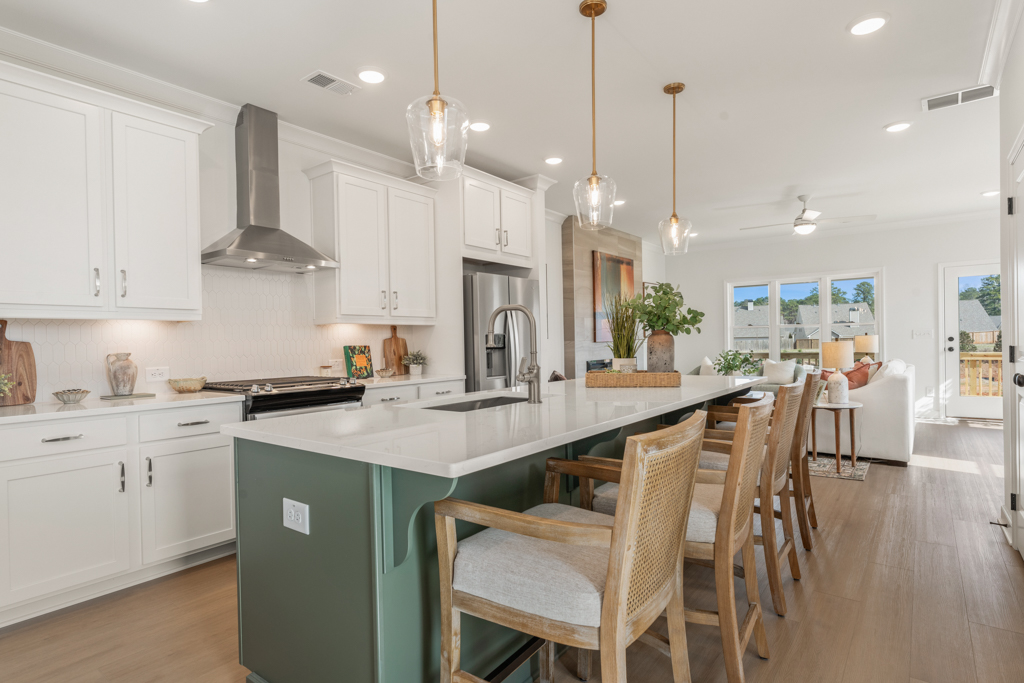
    Wilkins Walk Model Home KitchenTraton Homes is excited to announce the opening of a decorated model at Wilkins Walk in Mableton. Priced from the high $300,000s, this community of 76 townhomes boasts three floorplans, each with three to four bedrooms, up to three-and-a-half bathrooms and a two-car garage. Prospective buyers can now tour the decorated Kaufman model for a first-hand look at life at this Cobb County community.
    “Wilkins Walk offers homebuyers a choice of beautifully designed two- or three-story townhomes set within an inviting community streetscape,” said Kimberly Garwood, Director of Marketing for Traton Homes. “Our newly decorated model highlights the stylish three-story Kaufman plan, featuring three bedrooms, a stunning kitchen, and a spacious outdoor living area.”

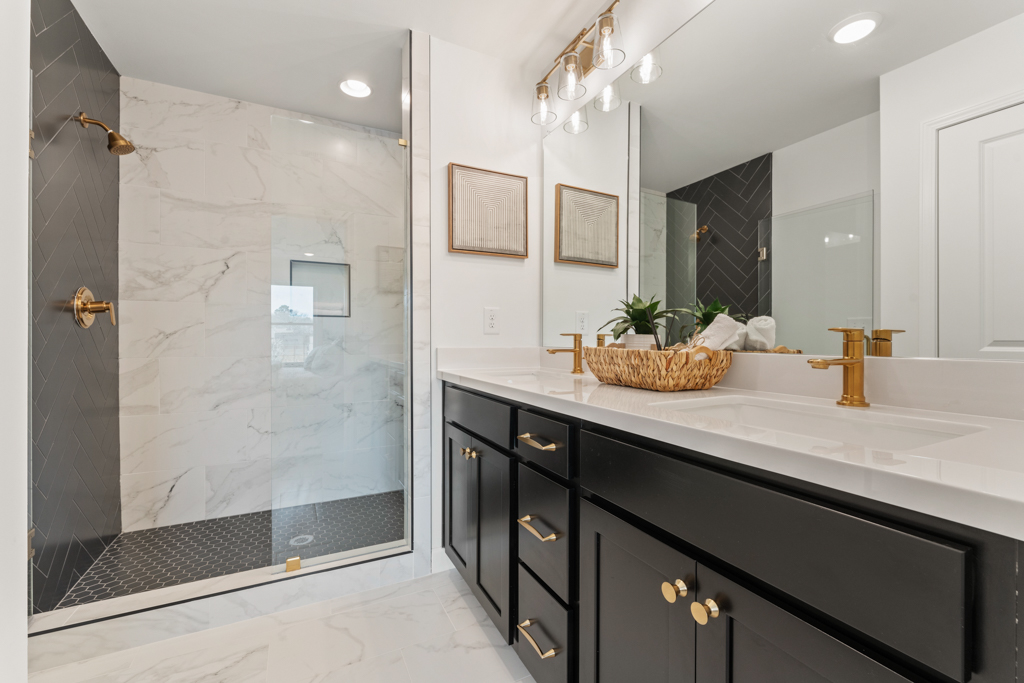
    Wilkins Walk model primary bath

    The Kaufman model blends elegance and functionality with three bedrooms and three-and-a-half bathrooms across 1,824 square feet. Home shoppers are invited in on the terrace level, complete with a study that can also be used as a bedroom, full bathroom and two-car garage. Upstairs, a chef’s kitchen is the highlight of the main level, complemented by a huge island, tile backsplash and quartz countertops. The well-designed layout leads home shoppers toward the dining area or family room perfect for family gatherings and entertaining guests. Outdoor living awaits at the rear of the home with a spacious covered deck area. On the upper level is the owner’s suite with ensuite bathroom, featuring a double-bowl vanity, spacious shower and water closet, and a walk-in closet. An additional bedroom with en-suite bathroom and a conveniently located laundry room further showcase the thoughtful design of the Kaufman plan.

    In addition to offering a community pool and cabana, Wilkins Walk also puts its residents near local attractions including the Silver Comet Trail, just one-half mile away. Shopping options can be found at Mableton Walk and Mableton Crossing, while the Mable House Barnes Amphitheatre provides concerts and entertainment. Working professionals find easy access to the East West Connector and Highway 78 for morning commutes.

    Prospective buyers are encouraged to visit the Kaufman model for an up-close look at Wilkins Walk, open most days from 10 a.m. to 5 p.m. and noon to 5 p.m. on Wednesdays and Sundays. To learn more about Wilkins Walk, visit www.TratonHomes.com/Communities/Wilkins-Walk or contact the onsite agent, Kallia Slupczynski at 678-391-9486 or WilkinsSalesTeam@TratonHomes.com.

  • Promoting Sustainability: A Glimpse into COCENA’s Green Building Advocacy at SIERRA’s eFACiLiTY®

    On January 7, 2025, the Coimbatore Civil Engineers Association (COCENA) hosted a pivotal event at SIERRA’s eFACiLiTY® Building, shining a spotlight on the future of sustainable construction.

    The event brought together civil engineers, industry leaders, and sustainability advocates, all eager to engage in discussions about green building practices, sustainability, and energy efficiency in construction.

    Program Highlights and Key Insights

    The event was thoughtfully organized to provide attendees with a comprehensive understanding of the significance of green buildings. The schedule included a mix of ceremonial and informative segments:

    Insights from Key Speakers:

    The event kicked off with a welcome address by Mr. Muthamilselvan, President of COCENA, who highlighted the organization’s vision for sustainable construction practices. Following this, Mr. Guruvayurapon, State Assistant President & Advisor of COCENA, shared insights into the association’s ongoing activities and commitment to greener initiatives. Mr. S. Alwar Babuji, Activity Chairman, provided an engaging introduction to the event and emphasized its technical importance, while Mr. Karthi, Past President & Advisor, offered a historical perspective and reinforced the importance of the green building movement in today’s world. The President, Mr. Muthamilselvan, honoured Mr. Giridhar, CEO & Managing Director, SIERRA ODC Private Limited.

    A Deep Dive into Green Building Principles

    Presentation by Mr. Giridhar JG: His engaging presentation gave attendees a closer look at the impacts of climate change and the role of buildings in contributing to this global challenge. He highlighted how atmospheric CO2 levels have been rising since the industrialization era and the health impacts associated with this increase, including the effects of both elevated CO2 and particulate matter from emissions. The session emphasized the dire need to control carbon emissions and the urgent goal of achieving NetZero by 2050 to mitigate the effects of climate change.

    This was followed by the eFACiLiTY® Building video presentation, which provided insights into the various measures taken to reduce emissions. These measures included energy conservation, water conservation, waste reduction, recycling, rainwater harvesting, improving occupant health & well-being, automation, and more. The video also highlighted how the eFACiLiTY® building achieved the World’s 2nd Highest ranking Green Building under the USGBC’s LEED NC v2009 rating system and India’s Highest ranking WELL Platinum certified Healthy Building, rated by the IWBI’s WELL V2 rating system.

    Guided Tour of SIERRA’s eFACiLiTY® Building

    Attendees were then led on a guided tour of SIERRA’s eFACiLiTY® Building, where Mr. Malleeswar, Assistant Manager – Systems and Mr. Reuban, Senior System Administrator, walked them through the building’s green features, automation systems, and employee wellness strategies. The tour offered a firsthand look at how sustainability is integrated into every aspect of the building, from energy-saving technologies to eco-friendly materials and design choices.

    The attendees spent approximately three hours exploring the building and engaging with the experts on-site, gaining valuable insights into how sustainability is embedded in the building’s architecture and operations.

    Key Takeaways for Participants

    Attendees left the event with a wealth of knowledge, from technical insights into energy-saving techniques to understanding the broader environmental and economic benefits of sustainable construction. The program also highlighted how green buildings contribute to healthier communities and long-term cost savings.

    Looking Ahead: COCENA’s Commitment to Sustainability

    COCENA’s event at SIERRA’s eFACiLiTY® Building effectively highlighted the association’s commitment to advancing green building practices and promoting sustainability within the construction sector.

    At SIERRA, we remain dedicated to supporting initiatives like these, which inspire engineers and industry professionals to adopt sustainable practices in their own projects.

    As we continue our journey toward a greener, more sustainable future, we look forward to collaborating with stakeholders across the industry and fostering more knowledge exchange on innovative green building technologies and practices.

    By leading through example, SIERRA is proud to be part of the growing movement toward a more sustainable Coimbatore, and we look forward to seeing the positive impact of these efforts ripple throughout the region.

    About SIERRA and eFACiLiTY®

    SIERRA with over two decades of expertise, is headquartered in India, with offices in Malaysia and the USA, serving over 200 clients across 30 countries.

    eFACiLiTY® is our leading IWMS & CAFM solution, offering 35+ modules that also cater to Environmental Sustainability and Health & Well-being needs of Smart Buildings.

    Hashtags:
    #GreenBuildings #SustainableConstruction #EnergyEfficiency #COCENA #SustainabilityMatters #EcoFriendlyArchitecture #GreenBuildingTour #SustainableLiving #FutureOfConstruction #GoGreen #GreenInfrastructure #SmartBuildingPractices #ClimateAction #BuildGreen

  • Green Insight Recognized for Sustainability Leadership with National LEED Award

    Green Insight’s work on Rift House has earned a 2024 LEED Homes Award! Rift House, located in Corrales, New Mexico, was recognized as one of three winners of the Outstanding Single Family Home of the Year award by the U.S. Green Building Council (USGBC).

    This recognition is more than just a plaque on the wall—it’s a testament to our commitment to creating healthy, sustainable, and resilient homes that serve the needs of communities.

    This is also not the first time Green Insight has been honored nationally. Our work on the Plaza Ciudana Apartments in Albuquerque also earned us a national Project of the Year award, further underscoring our role in advancing sustainable building practices.

    What Are the LEED Homes Awards?

    The U.S. Green Building Council (USGBC), the global authority behind the LEED green building program, is dedicated to promoting sustainability in construction and development. The annual LEED Homes Awards celebrate projects, developers, and builders who lead the way in residential green building.

    These awards highlight homes and developments that exemplify leadership in sustainability. Winners demonstrate exceptional commitment to energy efficiency, resilience, and environmental health while addressing the needs of their communities.

    For single-family homes like Rift House, the criteria for the Outstanding Single Family Home award include:

    • A focus on energy-efficient, resilient design.
    • Commitment to lowering energy costs and carbon footprints.
    • Prioritization of occupant health and comfort.
    • A dedication to creating affordable, sustainable homes.

    What Makes the Rift House Exceptional?

    Located in the Rift Valley of the Rio Grande at 5,300 feet of elevation in the high desert of New Mexico, the house is a LEED Platinum-certified home that embodies the principles of sustainability and resilience. Its design mitigates the challenges of the harsh desert environment, such as intense sunlight, daily temperature swings, and storms, while offering a comfortable and energy-efficient refuge.

    With features that reduce energy consumption and environmental impact, the Rift House exemplifies how thoughtful design can create a home that’s not just beautiful but also environmentally responsible.

    Green Insight: Driving Sustainable Building Forward

    At Green Insight, we pride ourselves on being more than just a green building consulting firm. We partner with developers, builders, and architects to bring sustainable visions to life. 

    From HERS rating services and LEED certification support to building performance testing, we ensure that every project we touch meets the highest standards of sustainability and performance.

    The recognition of projects like Rift House and Plaza Ciudana Apartments validates our mission: to create spaces that are healthier for people and the planet. But for us, it’s not just about the accolades—it’s about the impact.

    While we’re honored to receive national recognition, our focus is on empowering our clients to build homes and communities that are sustainable, resilient, and forward-thinking.

    As building continues to evolve toward sustainability, Green Insight is proud to play a leading role in shaping that future.

    Ready to Build a Sustainable Future Together?

    Whether you’re looking to certify your next project under LEED, enhance energy efficiency, or embrace sustainable building practices, Green Insight is here to help.

    Let’s start the process and make your next project a shining example of sustainability!

    The post Green Insight Recognized for Sustainability Leadership with National LEED Award appeared first on Green Insight.

  • Simplifying Green Building: 5 Expert Tips for a Stress-Free Green Project

    If you’re an architect, developer, or builder, you’re probably feeling the pressure of juggling energy codes, green building requirements, and rising construction costs.

    You want your buildings to meet the highest sustainability standards, but the maze of certifications, energy code compliance, and new technologies can be overwhelming.

    You’re likely managing multiple sub-consultants while juggling cost-effective solutions, client expectations, and regulatory compliance.

    Yikes! Staying on top of everything can feel overwhelming. You need a green building expert who knows the ins and outs of delivering energy-efficient, code-compliant projects—without breaking the bank.

    And a partner who will guide you and help you understand the process.

    Good news! We’re here to take the guesswork out of the green building process.

    So, to keep things simple and stress-free, we recommend focusing on five key areas essential to ensuring your project hits green building standards and stays on budget.

    Here’s the game plan to get you there:

    Simplifying Green Building: We recommend assessing five key areas to ensure your project meets green building standards while staying on budget.

    These five categories form the foundation of a sustainable building, and they’re the key to overcoming the challenges you face.

    1. Climate Assessment: The Foundation of Sustainability

    When it comes to sustainable green buildings, the environment is everything. You want to design buildings that work with the natural climate, not against it. A comprehensive climate assessment considers everything from the site’s location and historical setting to its natural features like flora and fauna.

    By understanding the local climate, you can simplify green building by designing a structure that requires less energy to heat, cool, and maintain.

    A detailed climate assessment helps you reduce the environmental impact of your project, ensuring that your design is sustainable and highly efficient.

    2. Site Assessment: Understanding the Land You Build On

    The site of your project plays a critical role in the sustainability of your building. You need a site-specific design that considers the natural cycles and ecosystems already in place.

    By doing this, you’ll minimize environmental disruptions and enhance the long-term efficiency of your building. From optimizing solar access to aligning with natural land features, thoughtful site planning is essential.

    These strategies are the foundation of successful green building, and they can lead to significant cost savings on energy and long-term maintenance.

    One of the most effective ways to maximize the efficiency of your project is by working with the natural landscape. Preserving existing trees and natural features helps filter air, moderate temperatures, and maintain site biodiversity.

    Also, integrating natural drainage patterns reduces the strain on artificial systems and fosters a low-maintenance, eco-friendly landscape. By aligning your building with the environment, you ensure that it harmonizes with the natural climate, improving both energy efficiency and occupant comfort.

    Key considerations in a thorough site analysis include sun orientation to reduce heating and cooling demands, preserving topography to protect green spaces, and respecting natural drainage patterns to conserve water. Proper planning in these areas results in lower energy bills, less water usage, and an overall healthier environment for the building and its occupants.

    3. Building Assessment: Simplifying Green Building for Smart Design and Maximum Efficiency

    When designing your building, energy efficiency starts with the structure itself, simplifying green building from the outset.

    You must make the right decisions upfront to avoid costly redesigns and inefficiencies later.

    By considering key elements like building orientation, size, and shell design, you’ll reduce energy consumption and create a more comfortable space to live and work.

    The goal? Ensure your structure works with the environment, not against it, while ensuring that every square foot of the building is optimized for efficiency.

    Think about how the building is positioned. A building that’s oriented to maximize solar access can reduce heating costs in colder months while minimizing the need for air conditioning in warmer months.

    The size and shape of the building are important too. Smaller, more compact buildings use fewer materials and require less energy to heat, cool, and maintain. So designing a building that fits well within the site saves on construction costs and long-term energy bills.

    A building’s shell, or enclosure, is most efficient when it minimizes the surface area exposed to the outdoors. By reducing this exposure, you can significantly cut down on heat transfer, leading to lower energy consumption and reduced utility costs. The walls and roof can be constructed from a variety of materials, each selected for their ability to enhance insulation and weather resistance.

    Factors like thermal mass (how well the building holds heat), air barriers (to prevent leaks), and insulation levels all play a role in keeping the indoor environment stable without constantly relying on heating or cooling systems.

    Even small design choices, like where windows are placed, can significantly reduce heat loss while maximizing natural light and passive cooling. Thoughtfully placed operable windows, for example, allow for better air circulation and reduce the need for mechanical cooling.

    Beyond structure, material choices make a big difference too. Sustainable buildings often use local, recycled, or low-toxicity materials that have a smaller environmental footprint.

    These materials are better for the planet and healthier for the building’s occupants.

    And let’s not forget about those pesky pests! By integrating smart physical barriers during construction, you can keep termites, ants, and rodents from turning your building into their personal playground. This protects your space from future damage and helps maintain the structure’s integrity for years to come.

    The final word: a well-designed building assessment focuses on every part of the structure, from the foundation to the roof. This careful planning optimizes energy efficiency and ensures the building is healthier, more sustainable, and a better long-term investment for those who use it!

    4. Mechanical and Alternative Energy Systems Assessment: Efficiency Beyond the Envelope

    Once your building’s envelope is in place, the next challenge is selecting the right mechanical systems and exploring alternative energy options.

    You want systems that are effective, low-cost, and aligned with your energy goals.

    Whether it’s HVAC, ventilation, or photovoltaic systems, you need options that reduce your building’s energy footprint while maintaining occupant comfort.

    For example, installing a solar thermal system can cut energy costs, but only if it’s designed and sized properly.

    We assess these systems to help you meet your energy targets without the hassle. Learn more about our sustainable green building recommendations.

    5. Durability Assessment: Building for the Long Term

    No one wants a building that requires constant maintenance.

    You need a structure that will last with minimal upkeep. That’s why durability is a key factor in sustainable building. From selecting exterior materials that can withstand UV damage to controlling moisture levels within the building envelope, proper durability assessments ensure that your project is built to last.

    At Green Insight we also focus on promoting good indoor air quality through smart design and material choices.

    A durable building not only benefits the environment but also enhances the quality of life for its occupants.

    What to Look for in Green Building Consulting: Simplifying the Process

    You’re not just looking for a consultant—you need a partner who understands the unique challenges you face. From the evolving energy codes to budget constraints, we specialize in simplifying green building and can help you navigate its complexities with a clear, actionable plan.

    Look for a green building team that offers comprehensive assessments, stays updated on local regulations, and works collaboratively to find cost-effective solutions.

    How This Helps You

    By addressing these five key areas and simplifying green building, you’ll meet sustainability standards and create a project that is more efficient, cost-effective, and healthier for its occupants.

    The result? Buildings that are great for residents, better for the environment, and more profitable in the long run.

    At Green Insight, we specialize in helping professionals like you turn green-building challenges into opportunities. Whether you’re tackling energy code compliance, certification requirements, or just looking for innovative solutions to improve your project’s performance, we can help you every step of the way.

    Need help simplifying your green building process?

    We’re here to guide you through it. Let’s make your next project a model of sustainability and efficiency, together.

    Ready to take the next step?

    We can help you with that. Reach out to Green Insight today for expert advice tailored to your project needs. Start your path to green building success.

    The post Simplifying Green Building: 5 Expert Tips for a Stress-Free Green Project appeared first on Green Insight.

  • Big Wins and Big Partnerships: Green Insight’s Mission for a Greener Future

    At Green Insight, we’re always striving to raise the bar when it comes to energy efficiency and sustainability in building practices. 

    We’re thrilled to announce several key milestones that highlight our team’s expertise, dedication, and commitment to driving innovation. From awards recognizing our impact to a new partnership expanding our services, we continue to set the pace for a greener future.

    Award-Winning Energy Solutions

    We recently received Xcel Energy’s Best Gas Only Rater Overall Award for 2023. This recognition underlines our ability to deliver energy efficiency solutions that reduce energy consumption and drive significant cost savings for our clients. 

    By helping builders and developers across New Mexico and beyond reduce their energy usage, we’re contributing to a cleaner, more sustainable future.

    We’re also proud of being awarded the PNM Award for Highest kWh Savings as part of the PNM Business Energy Efficiency Awards 2023. This award is a testament to our ability to design and implement energy efficiency solutions that result in significant savings. 

    Our customized solutions are designed to optimize efficiency and reduce costs for our clients. Every step of the way, we’re committed to supporting your efforts to meet your sustainability objectives.

    These awards aren’t just about recognition—they showcase the hard work our team puts into each project and inspire us to continue driving forward in our mission to help our clients achieve their energy efficiency goals.

    The Importance of Advanced Air Sealing for Green Buildings: Partnering with Aeroseal Envelope

    We’re excited to highlight our collaboration with Aeroseal, a partnership that reflects our commitment to bringing the best possible technology to our clients. Air sealing is a crucial component of green building design, ensuring that structures are airtight, energy-efficient, and comfortable for occupants.

    Air leaks, even small ones, can have a significant impact on energy efficiency, leading to higher energy costs, drafty spaces, and reduced air quality. That’s why Aeroseal Envelope technology is such a game changer. 

    Unlike traditional air sealing methods that can be time-consuming and less reliable, Aeroseal’s technology provides fast, thorough air sealing that reaches even the smallest cracks and gaps in a building’s envelope.

    With Aeroseal Envelope, we can guarantee real-time, measurable results. As the sealant is applied, it uses pressurized air to find and fill every possible leak, offering a level of precision that’s impossible to achieve manually. 

    This advanced process reduces energy and helps our clients meet industry-leading standards like ENERGY STAR®, LEED, and Passive House.

    Why Air Sealing Matters

    Air sealing plays a critical role in making buildings energy-efficient, sustainable, and comfortable. By eliminating leaks, you can prevent energy waste, reduce drafts, and ensure stable indoor temperatures. 

    Additionally, airtight buildings have better air quality, as sealing cracks keep out pollutants and allergens. Aeroseal technology makes it easier to achieve these benefits while saving time and labor on construction projects.

    Through our partnership with Aeroseal, Green Insight is helping clients achieve the most efficient and airtight building envelopes possible. This is a big win for energy savings and for the long-term durability and health of the buildings themselves.

    Green Building: Making a Lasting Impact

    As we celebrate these awards and partnerships, we remain focused on our core mission: helping clients design and build more sustainable, energy-efficient spaces. 

    We’re honored by the recognition from Xcel Energy and PNM, and we’re excited to continue bringing innovative solutions like Aeroseal Envelope to the table.

    Stay connected with us as we lead the way in energy efficiency and green building solutions, helping you save money and make a positive impact on the planet. 

    Want to know more about how we can support your building project?

    Reach out to us today to discuss your goals.

    The post Big Wins and Big Partnerships: Green Insight’s Mission for a Greener Future appeared first on Green Insight.

  • Roy Targets ‘Woke’ Climate Agenda and ‘Incompetent Government’ in Fiery House Floor Speech

    In a fiery speech on the House floor, Representative Chip Roy (R-TX) launched a vigorous attack against the Department of Energy’s Office of Energy Efficiency and Renewable Energy (EERE). Roy introduced an amendment aimed at fully defunding the office, which he argued is actively contributing to the destruction of the United States’ energy infrastructure in…

    The post Roy Targets ‘Woke’ Climate Agenda and ‘Incompetent Government’ in Fiery House Floor Speech appeared first on Green Building Elements.

  • Conservative Activist Takes Credit for Lowe’s DEI Backtrack

    Robby Starbuck, a conservative activist and host of The Robby Starbuck Show, has taken credit for pushing Lowe’s, a major U.S. retailer, to abandon its Diversity, Equity, and Inclusion (DEI) programs. In a recent interview on Fox Business, Starbuck detailed how his efforts led to the company’s decision to scrap its DEI initiatives. Speaking with…

    The post Conservative Activist Takes Credit for Lowe’s DEI Backtrack appeared first on Green Building Elements.

  • FED UP Scientist Claims ‘Climate Tipping Points are Real, Stop Denying It’

    In a recent video, German theoretical physicist and philosopher of science Dr. Sabine Hossenfelder addressed the ongoing debate surrounding climate change tipping points. The discussion was sparked by a New York Times article on climate tipping points, which was criticized by climate change skeptic Anthony Watts, associated with the Heartland Institute. Dr. Hossenfelder took issue…

    The post FED UP Scientist Claims ‘Climate Tipping Points are Real, Stop Denying It’ appeared first on Green Building Elements.