Blog

  • Shared Values Infuse VISION House SHAWOOD Communities

    A homeowner-centric approach to homebuilding focused on long-term durability and comfort provides the foundation for VISION House SHAWOOD.

    For more than two decades, Green Builder Media has collaborated with architects, builders, homebuyers, product manufacturers and industry experts on VISION House demonstration projects. While the homes themselves vary by location, size and style, every participant in these projects shares a commitment to sustainability, to improving the way homes are built and the way people live in them.

  • The Bathroom Wellness Gap

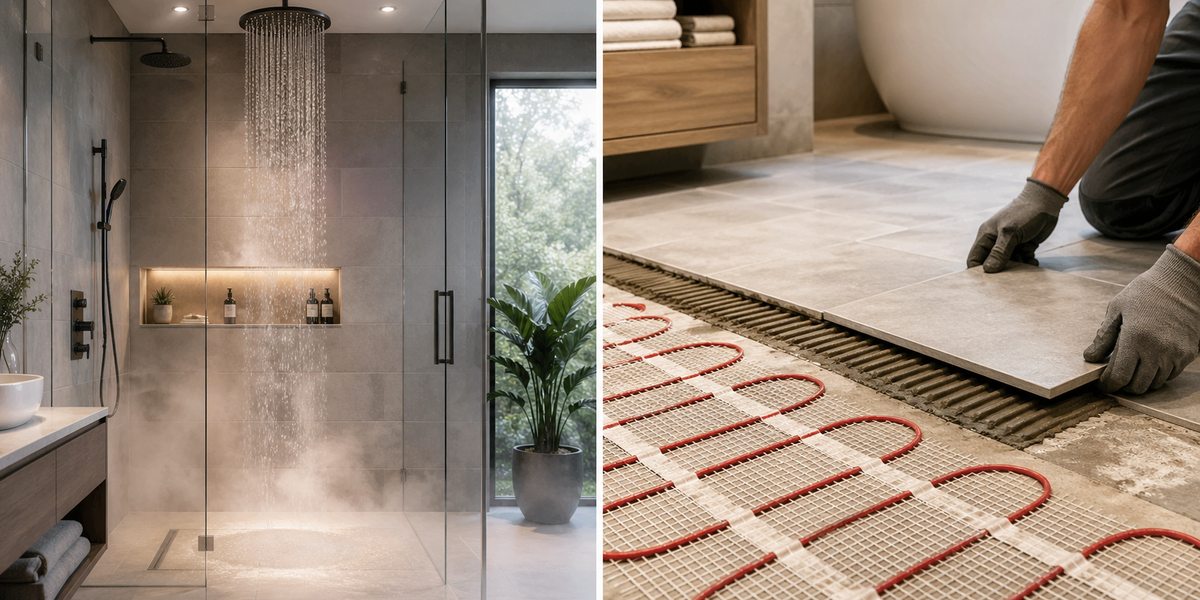
    The bathroom wellness gap: what homeowners say they want versus what they actually install.

    Homeowners report that heated floors and soaking tubs are two of their most common remodeling upgrades, revealing a gap between aspiration and action that holds real opportunity for builders.

  • Average Cost to Build a House in Ontario in 2026

    Average Cost to Build a House in Ontario in 2026 Benchmark Pricing Per Square Foot, by Region and Total Cost, Plus Additional Expenses to Consider Building your own home is a dream undertaking for any prospective homeowner. But dreams don’t […]

    The post Average Cost to Build a House in Ontario in 2026 appeared first on Green Building Canada.

  • Water Conservation and Sustainability Simplified

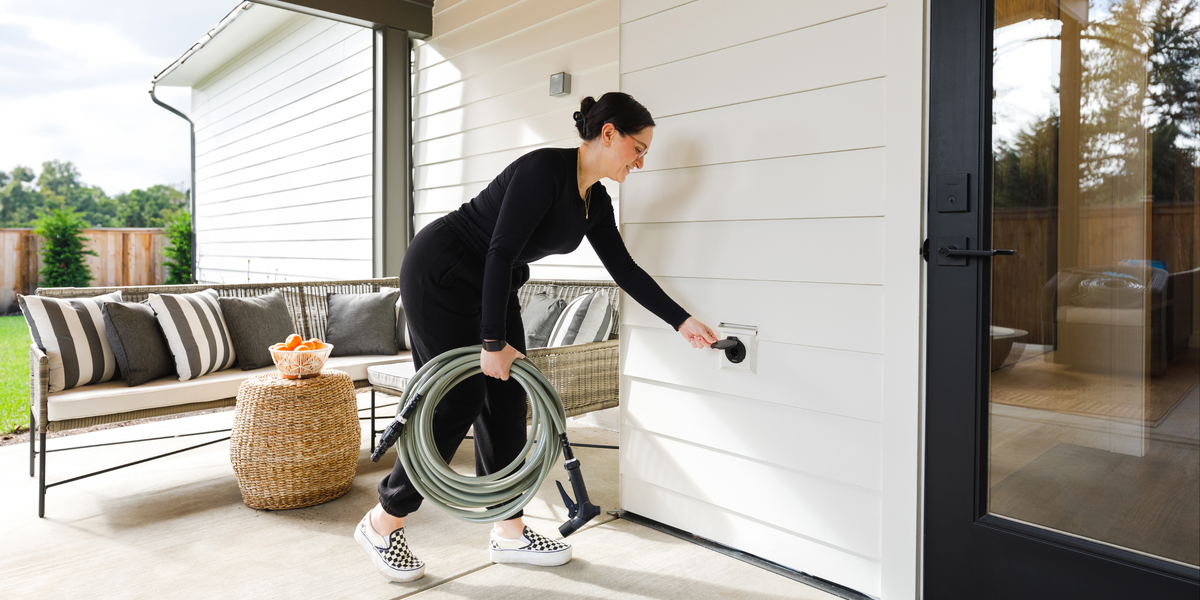
    Innovative outdoor faucets offer freeze and leak protection.

    When buyers search for a new home, they’re looking for more than beauty – although that’s always an enticing aspect of finding the right new home. Today’s savvy buyers of all generations focus on long-term value: a place where they can feel safe, healthy, and resilient to physical and financial storms.

  • From Optics to Outcomes

    Sustainability is evolving from a corporate aspiration into a market imperative, reshaping how risk is priced, capital is allocated, and homes are valued.

    For the better part of two decades, sustainability ran on goodwill. Companies volunteered to decarbonize, pledged to disclose, and aligned themselves, at least rhetorically, with a 1.5°C future. ESG funds multiplied, net-zero coalitions formed, and glossy commitments proliferated.

  • UKGBC responds to the MEES uplift

    The Government’s plan to strengthen Minimum Energy Efficiency Standards (MEES) for large commercial buildings is a welcome and important step forward. With a confirmed requirement for privately rented commercial buildings over 1000m2 to reach at least EPC B from 2031, it gives the market clear direction and recognises the importance of better building performance for both landlords and occupiers.

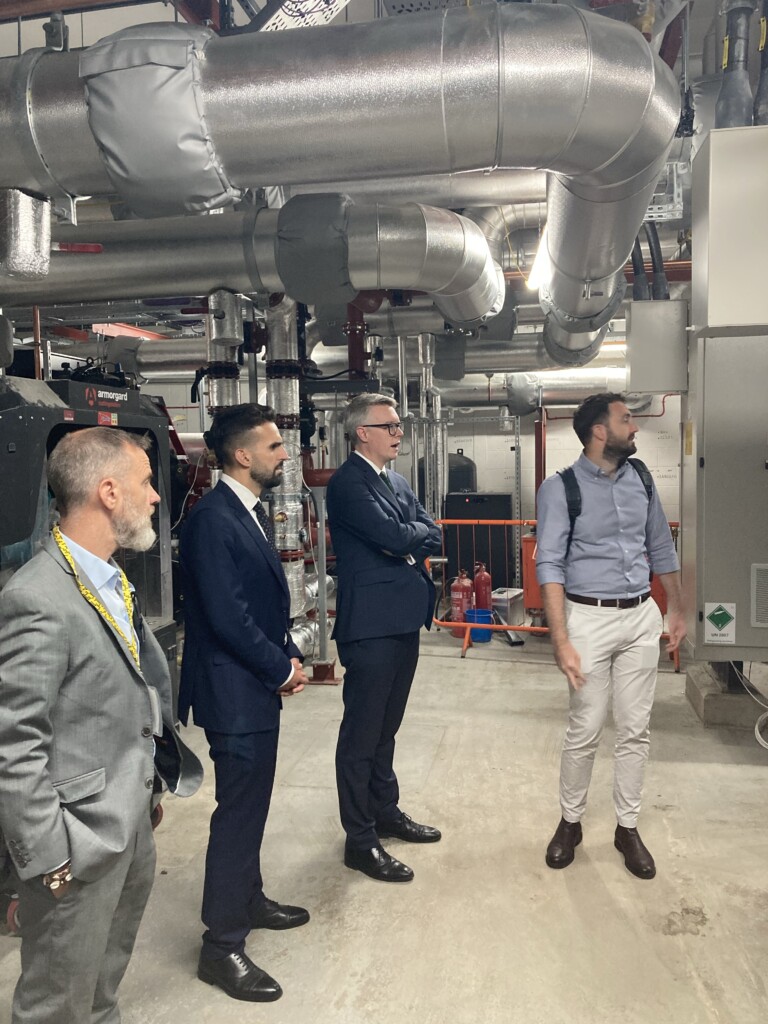
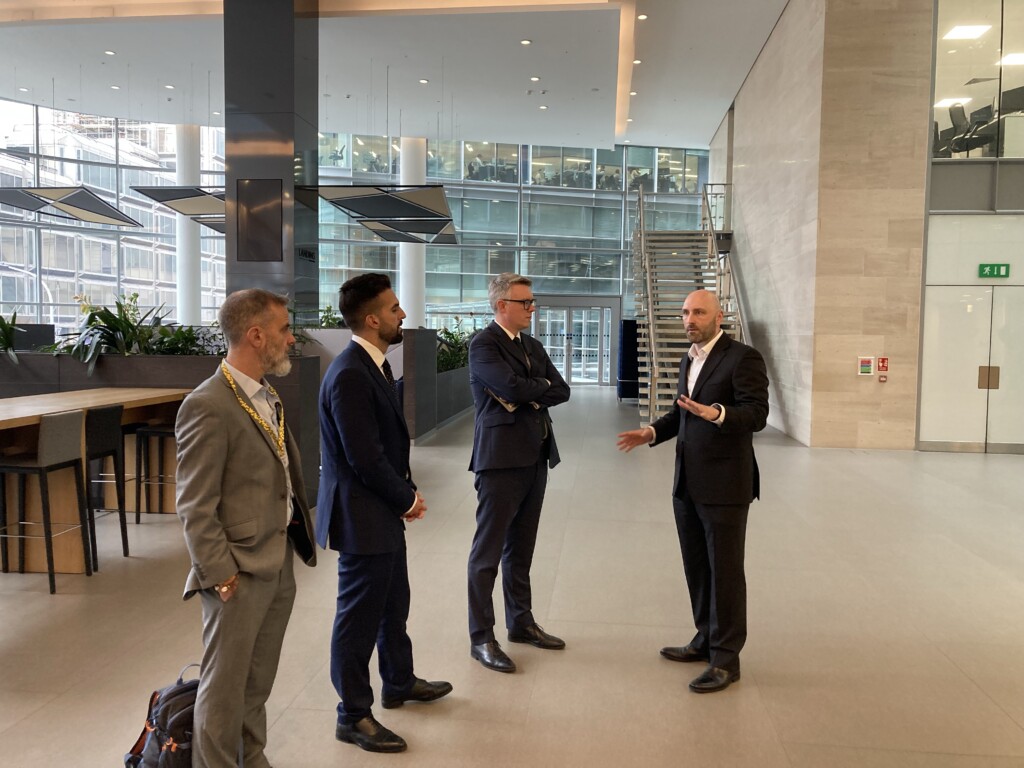
    The announcement came after a visit by Martin McCluskey (Minister for Energy Consumers) to a central London office building owned by UKGBC keystone member Landsec. UKGBC Chief Executive Simon McWhirter also joined the tour with the Minister where Landsec demonstrated how targeted retrofit measures can transform the performance of existing buildings. The property has been improved from EPC D to EPC B via a series of interventions including swapping out all the gas systems for air-source heat pumps (providing both heat and cooling) and advanced building management systems. It represents a clear example of the role our existing building stock can play in delivering shared value through better building performance.

    Simon McWhirter said:

    Today’s announcement is a really welcome step forward and provides the kind of policy certainty that we have long been calling for. Improving the performance of existing commercial buildings will be critical to meeting our climate goals, and greater clarity on future standards will help give the market the comfort and confidence to invest.

    Many of our members are already showing what is possible, with retrofit projects that demonstrate both the technical and commercial case for action. Their experience will be invaluable as Government develops and embeds this policy to accelerate retrofit across the sector and give owners, investors and occupiers the confidence to invest. We look forward to working with ministers and officials on the next phase of this agenda, helping to shape the policy and market conditions required to deliver decarbonisation at scale.”

    The visit highlighted the leadership being shown by organisations across UKGBC’s membership, such as Landsec, who have chosen to act ahead of regulation and invest in improving the performance of their assets.

    While this announcement is an important milestone, further collaboration between industry and Government will be needed to deliver at scale. We look forward to working with policymakers and our member network on creating the right conditions to unlock commercial retrofit at scale, including finance and value, skills, and data, to support the transition to a more efficient, resilient and lower-emission building stock.

    The post UKGBC responds to the MEES uplift appeared first on UKGBC.
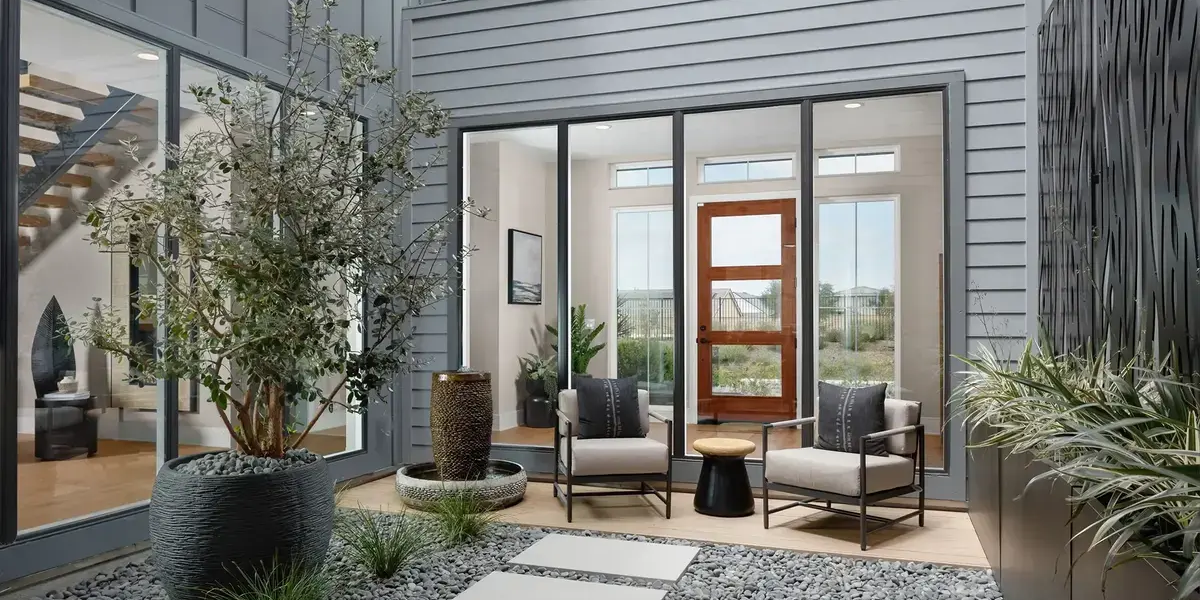
  • Are Metal Roofs the Answer to Climate Resilience?

    Are Metal Roofs the Answer to Climate Resilience? Comparing Metal Roofs to Shingles in Terms of Wind, Hail and Fire Resistance In this weekly Q&A column, retired builder/building inspector Cam Allen answers readers’ home renovation questions. Have a question? Enter […]

    The post Are Metal Roofs the Answer to Climate Resilience? appeared first on Green Building Canada.

  • When Is It Time to Replace Your Windows? Key Signs to Watch For

    When Is It Time to Replace Your Windows? Key Signs to Watch For By Kyrylo Takhtarov of Canglow Windows & Doors Unlike a roof leak or a failed furnace, windows rarely announce the end of their lifespan with a dramatic […]

    The post When Is It Time to Replace Your Windows? Key Signs to Watch For appeared first on Green Building Canada.

  • The Housing Future Is Arriving in Strange Ways

    A rain-making machine, self-healing timber buildings, and solar overtaking coal all point to a future that’s arriving differently than expected.

    This week’s headlines aren’t really about houses at all. They are about energy, water, infrastructure, climate accountability, and the systems that determine whether communities can grow and thrive. From a six-year low in housing starts to solar overtaking coal and new questions about water availability in the American West, the stories all point to the same conclusion: Housing is increasingly being shaped by forces far beyond the property line.

  • You Bought Your Home at the Right Time. Could You Do It Again?

    The affordability crisis hits differently when it’s your own home you can’t afford. 

    Millennials and Gen Z often joke that instead of playing with blocks in the late 1990s they should have been buying real estate. According to the U.S. Department of Housing and Urban Development, median home sale prices through the 1990s ranged from roughly $120,000 at the start of the decade to around $161,000 by 1999. Compare that to today’s median home sales price of $405,300.